
Carry-on luggage on a plane: what you can bring and what is restricted
Prepare cabin baggage with practical guidance on airline allowances, liquids, medicines, food, electronics, batteries and restricted items. Rules differ by airport, airline and destination.
By TopicWeekPublished 9 min read
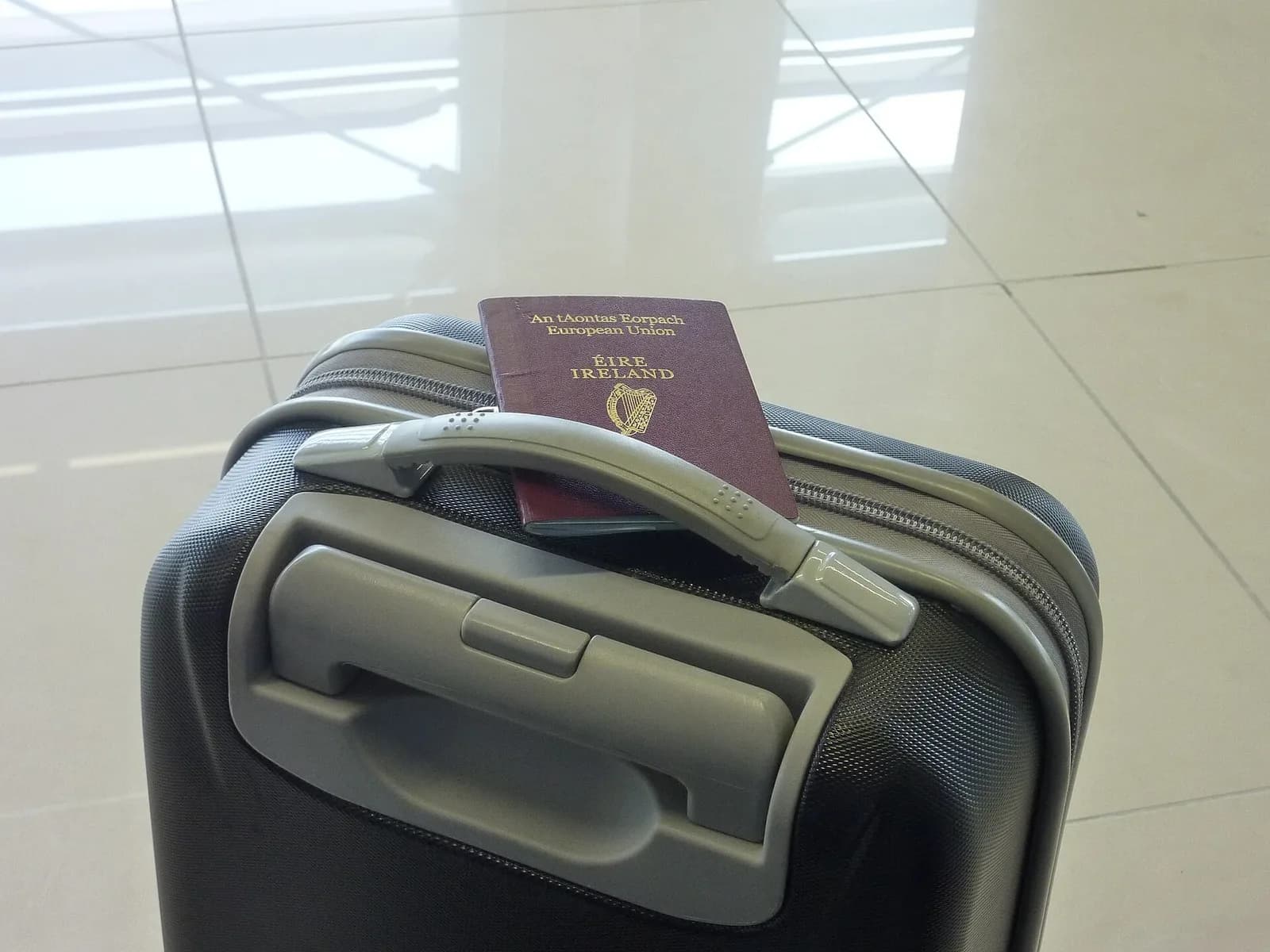
In this article
Packing cabin baggage means checking several separate rules. Security screening determines what may pass the checkpoint; dangerous-goods rules govern what may be carried on board; the airline decides how many bags your fare includes and their size; and the destination may restrict food or other products. Permission under one set of rules does not guarantee permission under the others.
Personal item, cabin bag and checked baggage
- Personal item: a purse, small backpack or other piece that your fare allows under the seat.
- Cabin bag: a bag normally stored in the overhead bin; it may require a different fare or add-on.
- Checked baggage: a bag handed to the airline for the hold, subject to its own limits and restrictions.
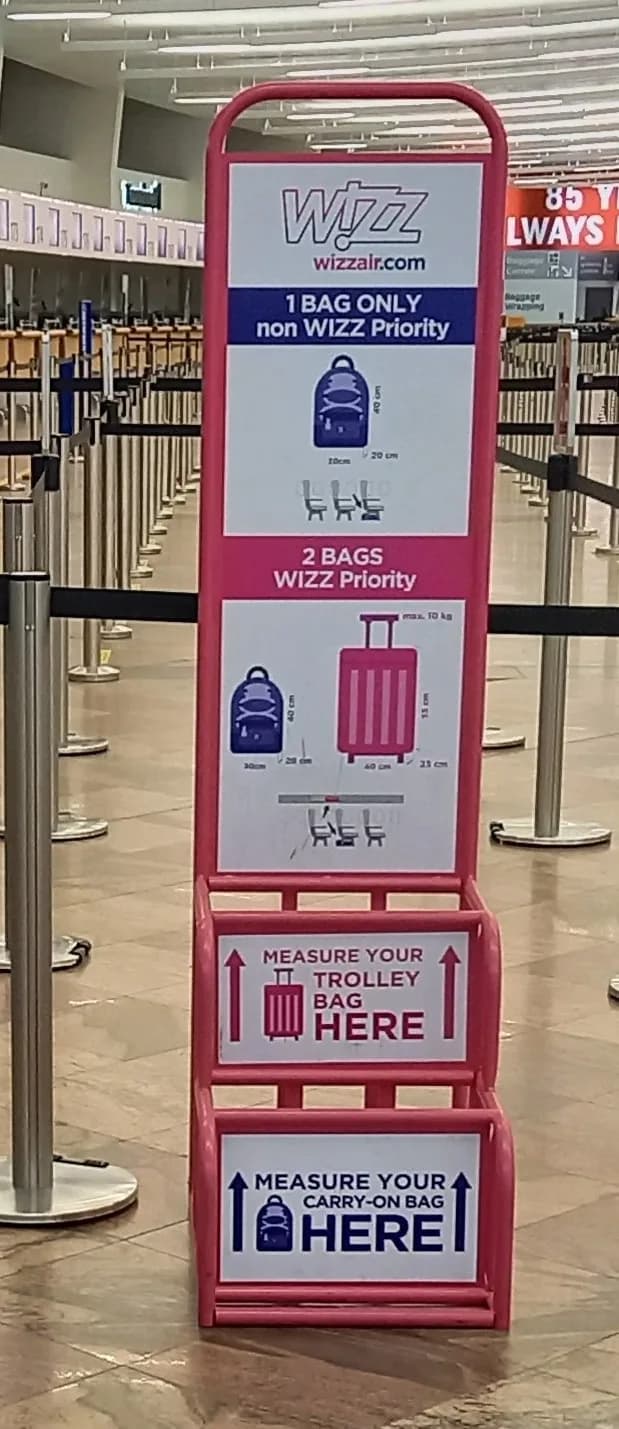
There is no universal commercial size, weight or bag allowance. Check the fare conditions and each operating carrier. Measure the outside of the bag, including wheels, handles and pockets, and check whether a limit applies per item or to the combined load. A bag may pass security but still be excluded from your ticket.
Liquids, aerosols and gels
At many European checkpoints, the practical reference rule is containers of up to 100 ml each in one transparent resealable bag with a capacity of up to 1 litre. The container's capacity matters, not just how much remains: a half-empty 200 ml bottle is not equivalent to a 50 ml container. The bag must meet the checkpoint's conditions and close properly.
- Perfume, creams, gels, shampoo, toothpaste, foam, aerosols and drinks are commonly treated as liquids.
- Do not overfill the bag or rely on a larger container being nearly empty.
- Personal-care aerosols may also be subject to security and dangerous-goods limits; check the product and carrier rules.
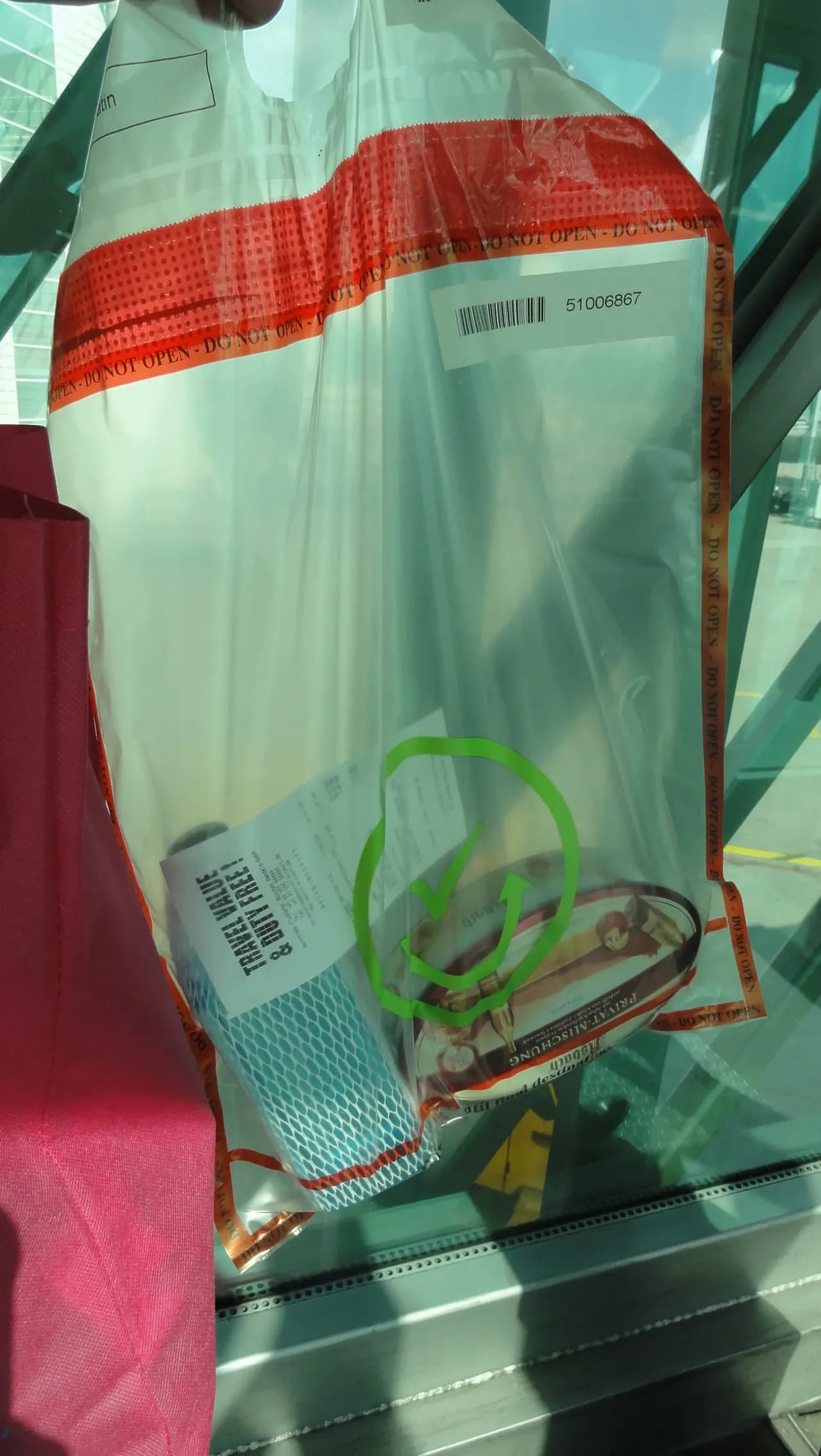
- Duty-free liquids may follow a separate process when kept in an approved sealed security bag with the receipt; keep it sealed through connections when instructed.
Medicines and special needs
Medicines needed during travel and some liquids for medical or dietary needs may be exempt from the ordinary liquid limit, but can require additional screening or explanation. Carry only what is needed for the journey and, where possible, in labelled packaging; a prescription or clinician's letter may help, although requirements depend on the place and product. For refrigerated medicines, syringes, devices or controlled substances, check with the airline, airport and destination in advance. Do not change doses or storage conditions to meet baggage rules.
Food, infants and destination rules
Solid foods raise different issues from liquids or semi-liquids such as yoghurt, puree, soup or sauce, which may fall under liquid restrictions. Food and milk needed for infants and certain dietary needs may have specific exceptions and screening. Passing security does not automatically mean food may be consumed on board without restriction or imported at destination: customs and biosecurity rules can limit meat, dairy, plants, fruit or seeds. Check destination and transit countries.
Phones, laptops and other electronics
Phones, laptops, tablets, cameras, consoles and e-readers are commonly carried in the cabin if they meet airline and security rules. Screening procedures depend on the airport and equipment: some lanes ask you to remove certain devices and others do not. Follow signs and staff instructions. On board, follow crew directions, including flight mode and restrictions during particular phases. Medical electronics or bulky equipment need specific checks.
Lithium batteries and power banks: 2026 changes
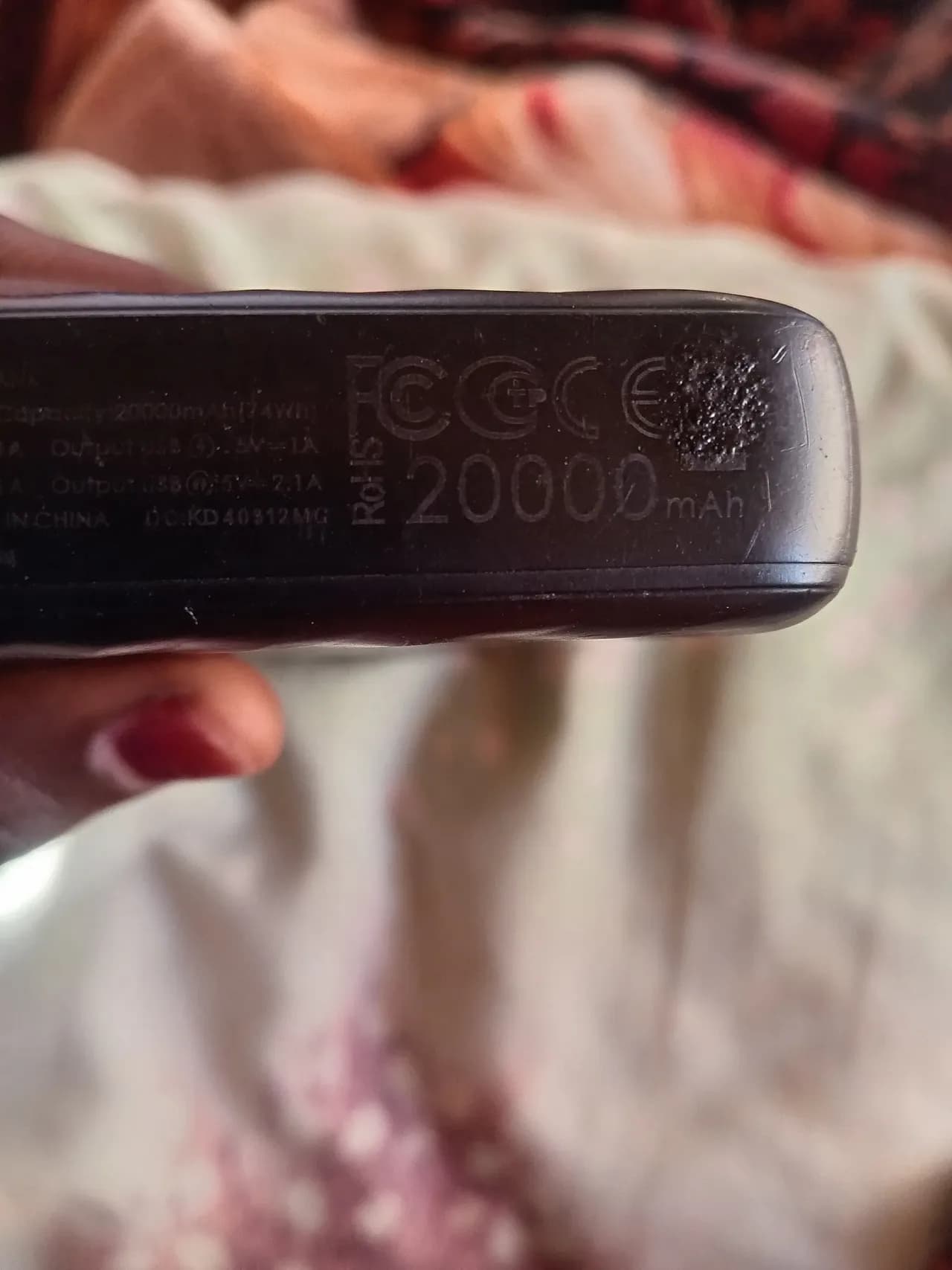
Distinguish a battery installed in a device from a spare battery and a power bank. Power banks and spare batteries normally travel in the cabin, protected against short circuits; do not put them in checked baggage. ICAO Technical Instructions Addendum 1 applies from 27 March 2026: it limits power banks to two per passenger and prohibits recharging them on board. It recommends against using them to charge other devices on board; that recommendation is distinct from the recharging ban. States implement international technical rules through their own systems, and airlines may be stricter, so check the operating carrier and relevant authority.
E-cigarettes, smart bags and mobility equipment
E-cigarettes and their batteries are generally subject to cabin restrictions and must not be used or charged on board; verify carrier and destination rules. For a smart bag, check whether its battery is removable and what the airline requires for cabin carriage or checking. Wheelchairs, mobility aids, medical equipment and instruments may need advance coordination because of size, battery or handling. Do not assume a special item is allowed or prohibited without checking its specific process.
Scissors, blades and prohibited items
Rules for scissors, blades, knives, tools and pointed items depend on jurisdiction, design and sometimes length. The EU security list restricts certain scissors with blades over 6 cm measured from the pivot; this does not guarantee a smaller pair will be accepted at every checkpoint or in every country. Weapons, explosives, flammable, toxic or corrosive substances and some pressurised articles may be prohibited. Some items cannot travel in the hold either: do not assume that anything refused in the cabin can always be checked.
- Check the official list for the departure airport and country for the specific item.
- Also check the operator's dangerous-goods list; screening rules and carriage rules can differ.
- If the item remains uncertain, leave it behind until the carrier or responsible authority confirms its status.
Duty free, connections and repeat screening
A liquid bought after screening may travel under specific security conditions, for example in a tamper-evident bag with the receipt visible. At a connection you may be screened again, including in another country; the bag, seal and proof of purchase may matter. Ask the retailer and check the transit airport's rules before opening it. Airline carriage conditions and destination import rules remain separate.
How to prepare your carry-on
- Open your booking and confirm the allowance for each fare and operating airline.
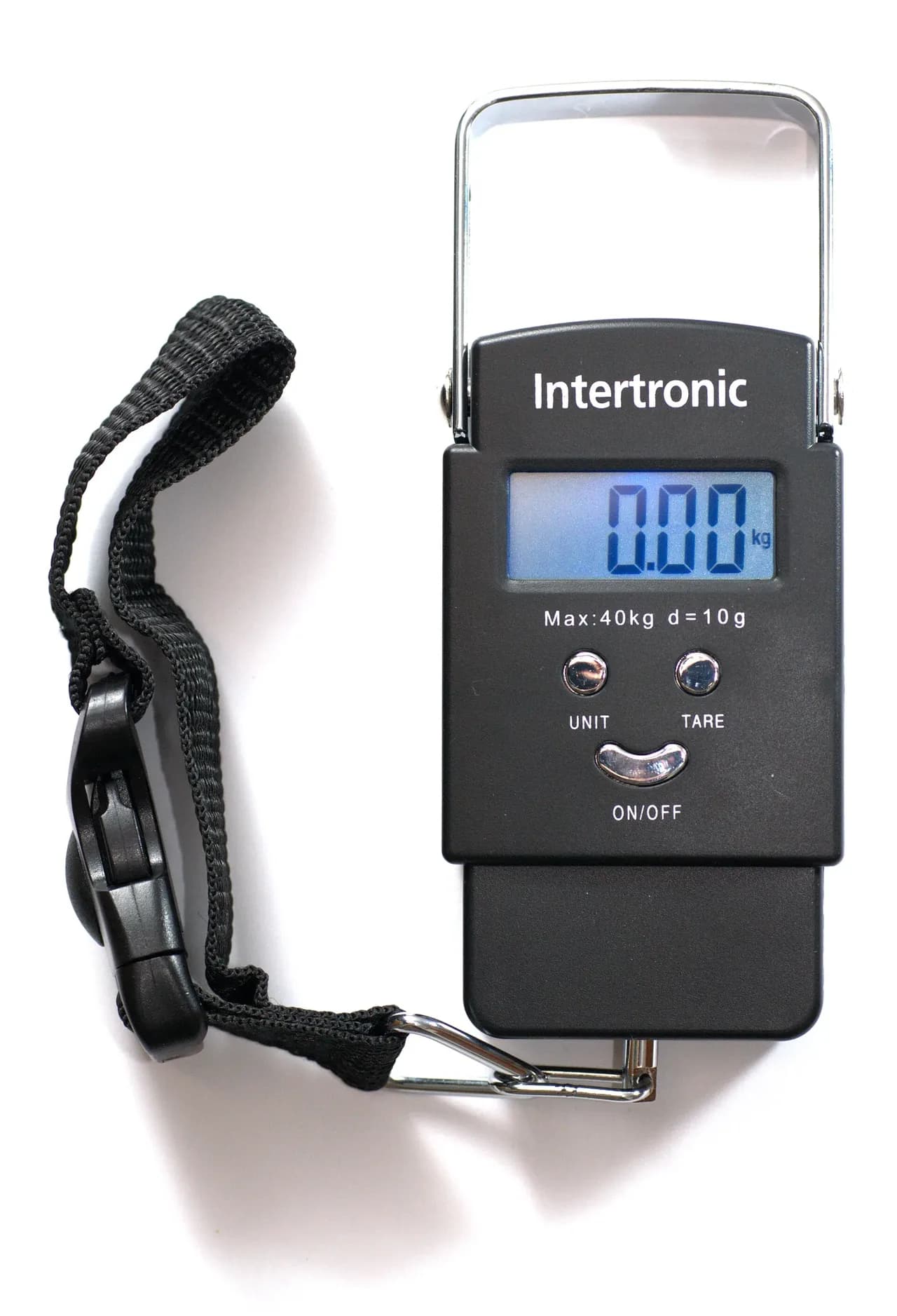
- Measure and weigh each bag, including wheels, handles and pockets; check the piece count and where it must fit.
- Read the official security pages for the departure airport and every connection.
- Pack liquids to the checkpoint's specific instructions; separate medicines and infant food that may need inspection.
- Check battery and power-bank labels, protect terminals against short circuits and follow airline conditions.
- Remove sharp or dangerous items and verify anything uncertain with an official source.
- Check destination import rules for food, medicines and other restricted products.
- Keep documents and valuables accessible and follow airport staff instructions.
Before-you-go checklist
- Fare and permitted number of pieces.
- Dimensions and weight, including wheels and handles.
- Personal item and cabin bag allowances distinguished.
- Liquids prepared for each checkpoint's rules.
- Medicines, supporting documents and storage needs.
- Food, infant feeding and destination restrictions.
- Laptop and other devices prepared for the airport process.
- Spare batteries and power banks in the cabin and protected.
- Wh rating visible and operator limits checked.
- Scissors, blades and tools reviewed.
- Duty-free liquids protected for connections.
- Arrival and transit country rules checked.
Common packing mistakes
- Confusing a personal backpack with a cabin bag included in the fare.
- Measuring only the suitcase body and forgetting wheels, handles or pockets.
- Taking a large half-empty bottle where the container-capacity limit applies.
- Assuming all airports and lanes use the same liquid scanners.
- Checking a power bank or assuming all batteries follow the same rules.
- Confusing permission to pass security with permission to carry or a free baggage allowance.
- Failing to check rules again at a connecting airport.
- Assuming an item rejected in the cabin can always go in the hold.
- Forgetting that customs may restrict food that passed security.
Frequently asked questions
- What can I take in carry-on baggage? It depends on screening, dangerous-goods rules and the airline; check each separately.
- How large can a cabin bag be? There is no universal limit; check your fare and operating carrier.
- How many kilos are allowed? Weight depends on airline, fare and sometimes route or aircraft.
- Is a backpack free? Only if your fare includes it and it meets the stated conditions.
- Can I take a backpack and suitcase? Check the included piece count; an overhead bag may cost extra.
- How many liquids can I take? Many European checkpoints use containers up to 100 ml in a transparent bag up to 1 litre; confirm locally.
- Does every airport apply the 100 ml limit? Not necessarily. One approved EU scanner configuration may allow up to 2 litres at some checkpoints; check the terminal and lane.
- Can I take a half-empty 200 ml perfume bottle? Not where the container-capacity limit applies.
- Can I take an empty bottle? Often yes if empty at screening, but check local instructions.
- Can I bring food? It depends on consistency, security, airline and destination import rules.
- Can I take liquid medicine? Necessary medicines may be exempt; declare them and check documents and screening.
- Can I take a laptop? Usually, but screening may require it to be presented separately.
- Can I take a power bank? ICAO rules effective from March 2026 limit them to two and ban recharging them on board; check Wh and carrier rules.
- Can spare batteries go in checked baggage? Generally not; rules usually require cabin carriage and short-circuit protection.
- Can I take scissors? It depends on size, design, airport and country; verify the local rule.
- Are razors allowed? It depends on blade type and local rules; check the official list.
- What about duty-free on a connection? A sealed bag and receipt may be needed for repeat screening.
- What changes if I have a connection? You may be screened again under different rules; check each airport and carrier.
- What cannot be checked? Some dangerous goods are prohibited in the hold too; check the operator's list.
- What should I check before flying? Fare, operator, airports, liquids, batteries, special items and destination rules.
The safest preparation is to check the airline allowance, the security rules at each airport, dangerous-goods requirements and destination restrictions separately. If baggage affects your fare, see our guide to finding cheap flights. For current rules, consult Aena baggage guidance for Spanish airports, the European Commission liquids guidance, EASA dangerous-goods information, and the operating airline and destination authorities. See also the ICAO guidance on 2026 power-bank restrictions.
Related guides

Travel
How to find cheap flights: tips, search tools and mistakes to avoid
Compare dates, airports and total costs, use search tools and price alerts carefully, and check baggage, connections and booking terms before paying. No trick guarantees the lowest fare.
14 min read

Travel
Japan in 10 days: a first-trip itinerary
A realistic 10-day Japan itinerary for a first visit, linking Tokyo, Kyoto and Osaka with transport, budget, entry and booking advice.
22 min read

Travel
Flight delayed or cancelled? What to do, refunds and compensation
What to do at the airport, what you can ask for (care, another flight, a refund or compensation) under the applicable rules, and how to claim if the airline doesn't respond.
15 min read