
Japan in 10 days: a first-trip itinerary
A realistic 10-day Japan itinerary for a first visit, linking Tokyo, Kyoto and Osaka with transport, budget, entry and booking advice.
By TopicWeekPublished 22 min read
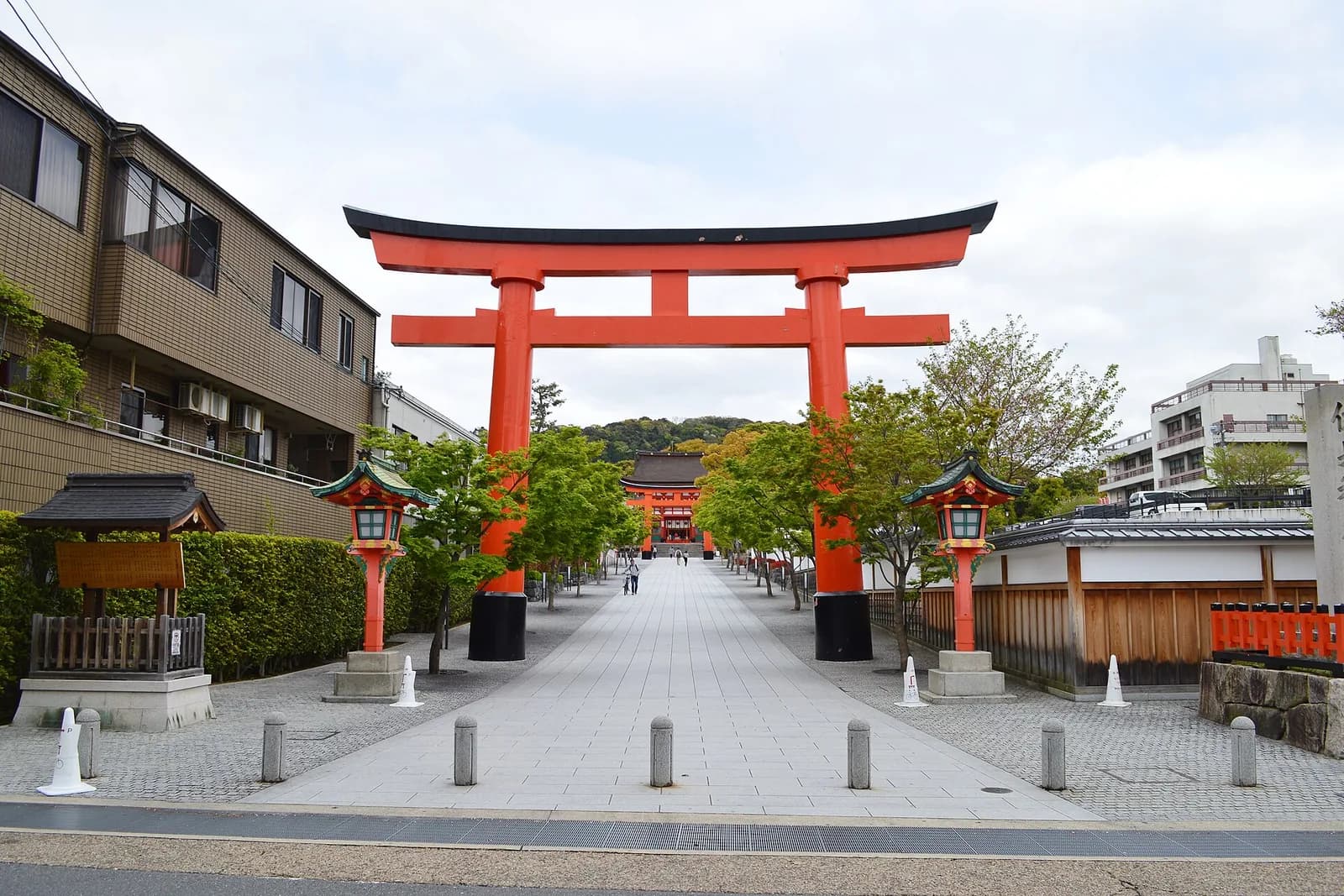
In this article
Ten calendar days in Japan can make a rewarding first trip if you keep the route focused. This plan uses two bases—Tokyo and Kyoto—with Osaka as a day trip, and assumes arrival in Tokyo and departure from Kansai International Airport (KIX). Arrival and departure days are travel days, not full sightseeing days.
The route is a proposal, not a checklist: choose one optional branch where shown, leave room for meals and rest, and confirm opening times and transport for your dates. If your flights require a return to Tokyo, use the alternative route below and remove a day trip rather than trying to add more.
At a glance
- Days 1–4 — Tokyo: arrival and recovery; Asakusa; Meiji Shrine, Harajuku and Shibuya; then one flexible day in Shinjuku or another area.
- Day 5 — Tokyo to Kyoto: travel by Tokaido Shinkansen; keep the evening light.
- Days 6–8 — Kyoto: Higashiyama and Gion; Arashiyama; then either more Kyoto with Fushimi Inari or a full-day Nara substitute.
- Day 9 — Osaka: a focused day around Namba and Dōtonbori, returning to Kyoto, or sleeping in Osaka if that suits an early KIX flight.
- Day 10 — Departure: travel to KIX with a generous buffer; do not schedule a major visit before an international flight.
What ‘10 days’ means
This itinerary counts ten calendar dates including arrival and departure. Depending on flight times, you may have only eight full or mostly full sightseeing days: day 1 is for arrival, day 5 includes an intercity transfer, and day 10 is for the airport. Ten days do not mean ten complete days on the ground, and nine nights is a common pattern rather than a guarantee.
The preferred route is an open-jaw flight: arrive in Tokyo (Haneda or Narita) and depart from KIX near Osaka. It avoids returning across the country solely to catch a flight, but the fare is not always cheaper. Compare the total airfare and ground transport before booking. Keep Tokyo and Kyoto as the two hotel bases; Osaka can be visited without another hotel move.
Day 1 — Arrive in Tokyo
After immigration, baggage and any customs procedures, follow the airport’s official signs for rail, monorail or bus to your accommodation. Haneda and Narita have different routes and operators; choose a transfer for your actual hotel, arrival time and luggage rather than assuming one train serves every area. Check the Haneda access guide or Narita access guide shortly before travel.
- Set up mobile data if needed, and check that your phone can receive messages or access offline maps.
- Buy or prepare a compatible IC transport card if useful; availability and mobile setup depend on device, region and current sales arrangements.
- Eat near the hotel, hydrate and sleep. A short neighbourhood walk is optional if you feel well; do not plan timed attractions after a long flight.
Day 2 — Asakusa and Sensō-ji
Start around Asakusa with Kaminarimon, Nakamise-dōri and Sensō-ji. Nakamise is a shopping approach, while the temple grounds are a religious site: follow posted rules and distinguish the open grounds from any building or exhibition with its own access conditions. The area is walkable, but crowds can slow the route.
After lunch, choose a relaxed walk by the Sumida River or add one nearby stop. Ueno is a possible extension, but treat a museum as the main afternoon activity if you choose one; do not stack several museums onto a full Asakusa morning. Check the official hours of any museum or observation venue you plan to enter.
Day 3 — Meiji Shrine, Harajuku and Shibuya
Travel to Meiji-jingū for a visit through its wooded approach, then continue towards Harajuku and Omotesandō. This sequence keeps the northern and western stops together. The shrine is an active place of worship; follow signs, remain on visitor routes and check current opening information because seasonal daylight can affect access.
Continue to Shibuya for the crossing, nearby streets and a meal. A paid observatory such as Shibuya Sky is optional and normally needs a dated ticket; book only if the view matters to you and the time slot fits. Leave a break between areas, especially on weekends when busy streets and station transfers take longer.
Day 4 — Keep Tokyo flexible
Use this day for one cluster, not a city-wide sweep. One option is Shinjuku and its nearby gardens, shops or viewpoints; another is Ginza and central Tokyo; a museum or a slower neighbourhood day is equally reasonable. Verify each venue’s weekly closing day, entry rules and last admission before fixing the order.
If nature is a priority, replace this Tokyo day with Kamakura rather than adding it to the schedule. It is a separate excursion with its own rail fares and walking; choose a small number of stops and return to Tokyo with time to pack for Kyoto. A day trip should not become a late-night rush before the Shinkansen.
Day 5 — Tokyo to Kyoto
Take the Tokaido Shinkansen from Tokyo Station or Shinagawa to Kyoto Station. JR Central describes the fastest Nozomi journey as about 130 minutes; Hikari and Kodama take longer, and exact timetables vary. Buy through an official JR channel or a recognised seller, check the station and train, and read the ticket’s change and refund conditions. A reserved seat is useful in busy travel periods, though availability and rules depend on the service.
For a suitcase whose length, width and height total 161–250 cm (that is, over 160 cm and up to 250 cm), JR Central requires a seat reservation with an oversized-baggage area on the relevant Tokaido–Sanyo–Kyushu Shinkansen services. If you board without that reservation, a ¥1,000 fee applies and staff direct you to a storage space; if none is available, you may be asked to take another train. Strollers, musical instruments and sports equipment have specific exceptions up to 250 cm, but you cannot use space reserved for another passenger; reserve it if you need that space. Items over 250 cm are not allowed aboard. Measure the full outside dimensions, including wheels and handles, and verify the operator’s current rules.
At Kyoto Station, leave luggage at your accommodation or a staffed/official storage service before sightseeing. Choose a short first afternoon—such as the station area or a nearby central walk—and have dinner. Do not attempt Higashiyama, Arashiyama and a major temple on the transfer day.
Day 6 — Higashiyama, Kiyomizu-dera and Gion
Make Kiyomizu-dera the main visit, then walk downhill through the Higashiyama streets towards Yasaka Pagoda viewpoints, Yasaka Shrine and Gion if your pace allows. The route includes slopes, steps and crowded narrow lanes; wear comfortable shoes and allow time for stops. Check Kiyomizu-dera’s own current hours and admission before you go.
Gion is a lived-in neighbourhood, not a stage. Do not follow, touch or photograph geiko or maiko without permission, enter private property, block streets or ignore local photography restrictions. Kyoto’s visitor guidelines were updated in October 2026; follow signs and directions on the day. If the area is congested, choose a quieter route and leave residents’ daily spaces clear.
Day 7 — Arashiyama and western Kyoto
Take a train to Arashiyama and prioritise the bamboo grove, Tenryū-ji if you want to enter a temple, and a walk near the river and Togetsukyō Bridge. They are close enough to form one area-based day, but the temple has a separate admission and hours; verify its official information. Go early if you want a quieter walk, while understanding that no time guarantees an empty path.
Do not automatically add Kinkaku-ji: it is in a different part of Kyoto and would require another cross-city transfer. Add it only by replacing part of Arashiyama and checking the actual transit route, opening schedule and energy available. Kyoto’s official transport guide recommends combining rail, subway, buses and walking rather than relying on crowded buses for every trip.
Day 8 — Choose Kyoto or Nara
Option A — stay in Kyoto: visit Fushimi Inari Taisha, then choose one nearby or central activity. The shrine’s lower approach can be a shorter visit; hiking farther up the mountain takes additional time and effort. Do not assume you must complete the full trail to make the visit worthwhile.
Option B — replace the Kyoto day with Nara: take a direct JR or Kintetsu train, selecting the station that best matches your route. Nara’s tourism association lists about 45 minutes from Kyoto Station on JR Miyakoji Rapid and about 35 minutes on the Kintetsu limited express from Kyoto, which requires a supplement; times and fares depend on service. Focus on Nara Park and Tōdai-ji, checking temple admission and hours, and allow for walking between the station and sites. This is a full-day alternative, not an extra destination to squeeze into another day. Choosing Nara means giving up Fushimi Inari and the other Kyoto activity planned for day 8; do not try to add both routes. To visit both, replace another activity or extend the trip.
Day 9 — Osaka from Kyoto
Travel from Kyoto to central Osaka by the line that matches your destination: JR Special Rapid to Osaka Station takes about 30 minutes, while Hankyu and Keihan serve other central areas on different routes. Check the Kyoto transport guide for the station pair that suits you. Then focus on Namba and Dōtonbori, with time to eat and explore nearby streets.
Choose at most one additional paid attraction, such as a viewpoint or a museum, after checking its location and booking conditions. Osaka Castle is not an automatic add-on: it takes extra travel and time for the grounds and interior. Return to Kyoto at a sensible hour, or move your final night to Osaka if an early KIX departure makes that simpler. Do not change hotels unless the airport timing justifies it.
Day 10 — Travel to Kansai Airport
Travel to KIX from Kyoto or Osaka using the operator and station that match your departure point. The airport lists JR and Nankai options; from Kyoto, the JR Haruka is one direct option, while Osaka-area services differ by neighbourhood. Check current timetables, fares, works, terminal and airline check-in guidance, and allow a generous margin for transfers and airport procedures. Do not schedule sightseeing that could put the flight at risk.
For an early departure, consider sleeping near the route or in Osaka the previous night, but compare the extra hotel move with the convenience. If you must fly home from Tokyo instead, see the alternative below and account for both the Shinkansen fare and several hours of travel.
If your return flight leaves from Tokyo
An open-jaw ticket may cost more or be unavailable for your dates. If your round trip is through Tokyo, the less rushed plan is to replace day 9’s Osaka excursion with a reserved Hikari from Kyoto Station to Tokyo Station and sleep in Tokyo before the day-10 flight. This gives up the planned Osaka day; it does not add another long trip to the ten-day itinerary.
If you keep the Osaka excursion and travel on to Tokyo that evening, include the local journey from the Osaka neighbourhood you visit to Shin-Osaka as a separate leg and fare. It is a long day with less margin for delays, so compare the actual routes and schedules and do not rely on the last possible train before an international flight. This option is not the direct Kyoto–Tokyo comparison below.
Choosing airports and flights
Tokyo has two main international airports. Haneda is closer to central Tokyo in many cases, but the best choice depends on the hotel, flight time and transfer. Narita is farther from central districts and served by different rail and bus operators. For this route, compare a Tokyo arrival with a KIX departure using a multi-city search; an open-jaw ticket can save backtracking but is not guaranteed to be cheaper.
KIX serves Osaka and the wider Kansai region, but the airport transfer depends on whether you stay in Kyoto, Osaka, Nara or elsewhere. If your itinerary instead departs from Tokyo, count the return journey and hotel night explicitly. Airport labels in a booking can refer to different cities or terminals, so check the exact airport code and operating flight before paying.
Does the Japan Rail Pass pay off?
Do not buy the national pass by default. As checked on 18 October 2026, an adult Ordinary Pass purchased on the official website cost ¥50,000 for 7 days or ¥80,000 for 14 days. An exchange order from an overseas designated agency cost ¥53,000 or ¥84,000, respectively. Prices can change; use the official price page at the time of purchase and check whether an exchange order and activation suit your dates.
Compare three date-specific cases: A — open-jaw: one Tokyo–Kyoto ticket plus the JR regional trips you actually plan, with other operators priced separately. B — pass: test a 7-day or 14-day pass only if its consecutive validity covers enough eligible journeys; add any required Nozomi/Mizuho special ticket and non-JR transport separately. C — return to Tokyo: replace the Osaka excursion with a reserved Hikari Kyoto Station–Tokyo Station and a final Tokyo night; compare Tokyo–Kyoto and Kyoto–Tokyo tickets with a pass covering the same dates. For a reproducible adult, ordinary-season reference: reserved Hikari Tokyo–Kyoto ¥13,850; JR Special Rapid Kyoto Station–Osaka Station ¥580 each way (¥1,160 return); and the standard one-way Haruka fare Kyoto–Kansai-airport ¥3,110 for a non-reserved seat, as listed in Kyoto University’s 2026 access guide with fares dated December 2025 (an indicative dated reference, not a guaranteed October 2026 fare). The reserved seat costs an extra charge; check JR West for the fare on your date. The named legs total ¥13,850 + ¥1,160 + ¥3,110 = ¥18,120; this is not a whole-trip budget and excludes urban journeys. JR West separately lists its adult discounted HARUKA One-way Ticket to Kyoto at ¥2,200 for eligible holders of a foreign-government passport entering Japan as Temporary Visitors. That product has separate purchase, passport, seat and change/refund conditions and is not used in the standard-fare calculation; check JR West’s product rules before relying on it. The JR West page labels its displayed information as current on 5 February 2025 and subject to change; confirm the product price and conditions before purchase. The 7-day Ordinary Pass bought online costs ¥50,000, a ¥31,880 difference against the named standard-fare legs. Extra JR journeys change the comparison only by the value of eligible trips you would actually take.
A pass activated on day 5 can cover seven consecutive days through departure on day 10, but only eligible JR services; it does not cover every private railway, subway, city bus or attraction. In case C, the Osaka excursion is replaced by the direct return to Tokyo: reserved Hikari Tokyo Station–Kyoto Station ¥13,850 and Kyoto Station–Tokyo Station ¥13,850, adult Ordinary class in the regular season. These two Shinkansen fares total ¥27,700; the ¥50,000 7-day pass is ¥22,300 more than those fares. Osaka is not included in this case. The comparison excludes airport transfers and urban transport, and is not a complete trip budget. If you keep the Osaka visit and board at Shin-Osaka, price the local transfer to that station separately; do not treat Kyoto Station and Shin-Osaka as the same origin. Hikari fares come from JR Central’s fare table; JR lists ¥580 for Osaka–Kyoto in its regional fare table. The ¥50,000 adult Ordinary Pass online price was checked on 19 October 2026; designated overseas agencies list ¥53,000. Nozomi and Mizuho require the pass-holder special ticket; check the official conditions. For purchases from 1 July 2027, the regular-season adult reserved-seat Nozomi Tokyo–Kyoto surcharge differential over Hikari will be ¥1,020—¥700 more than the current differential. ¥1,020 is the revised differential, not the increase. See the official JR announcement (in Japanese). The notice does not change Hikari or unreserved Nozomi/Mizuho fares. Recheck prices for your date and service.
Getting around Tokyo, Kyoto and Osaka
Tokyo and Osaka use multiple rail, metro and private operators; the closest station is not always on the pass or line you expect. Use a route planner for each journey and check the operator, transfer stations, fare and last service. An IC card such as Suica, PASMO or ICOCA can simplify pay-as-you-go trips on participating services, but interoperability is not universal and does not make every train, bus, Shinkansen or airport service included.
Buy or charge an IC card where available, or use a compatible mobile option only after checking current device, account and regional requirements. Some services require separate tickets or reservations. In Kyoto, combine walking, subway and rail; buses can be congested and slow, particularly in busy seasons. Use the official Kyoto getting-around guidance to compare routes, and avoid crossing town repeatedly in the same day.
Where to stay and how many nights
A practical split is four nights in Tokyo followed by five in Kyoto, with day trips to Osaka and, optionally, Nara. That is one possible arrangement for ten calendar days with a Tokyo arrival, Kyoto transfer and KIX departure; flight timing can change the night count. Choose accommodation near useful transport rather than paying for a famous district name alone. See our guides to booking accommodation and planning a travel itinerary.
Kyoto’s lodging tax changed on 1 March 2026. It is charged per guest per night by lodging-price tier: under ¥6,000, ¥200; ¥6,000 to under ¥20,000, ¥400; ¥20,000 to under ¥50,000, ¥1,000; ¥50,000 to under ¥100,000, ¥4,000; and ¥100,000 or more, ¥10,000. The taxable lodging price is based on room and service charges, excluding meals and consumption tax. Check the Kyoto City tax page and whether your property collects it separately or it is already included.
Build a budget without guessing
There is no single reliable euro price for ten days: flights, hotel category, season, exchange rate and eating style change the total. Make a per-person worksheet and separate shared room costs from individual spending. Our travel budget guide explains the broader method; for Japan, include these line items:
- International flights, including any multi-city fare difference.
- Nine nights of accommodation if that is your actual plan, plus Kyoto’s lodging tax and any property charges.
- Airport transfers at both ends; the Tokyo–Kyoto Shinkansen; local and regional transport; and a return-to-Tokyo fare if needed.
- Meals, snacks, temple or museum admissions, reservations and optional viewpoints.
- SIM/eSIM, insurance, medication or special needs, exchange and card fees, and a contingency for changes.
Price the actual dates and route, then distinguish fixed bookings from flexible daily spending. Do not count a transport pass as saving money until you compare its price with the journeys it covers. Keep a buffer for a delayed arrival, weather change or a train you choose not to take.
Passport, visa and Visit Japan Web
Entry rules depend on the traveller’s nationality, passport and purpose, not the language of this guide. Check Japan’s Ministry of Foreign Affairs visa page and the nearest Japanese embassy or consulate for your own case before booking non-refundable travel. Spanish passport holders are on Japan’s short-stay visa-exemption list, generally for up to 90 days for permitted temporary visits, subject to the conditions stated by MOFA; this does not apply to every Spanish speaker.
Visit Japan Web is the Digital Agency’s online service for preparing arrival procedures such as immigration and customs, plus tax-free shopping processes. It is a convenience tool, not a visa or guarantee of entry; do not treat registration as universally mandatory unless the official government instructions for your trip say so. Read the official service page and keep travel documents accessible offline.
When to go and what to reserve
Spring blossom dates vary by year and region; Tokyo and Kyoto do not necessarily peak together. Summer is hot and humid in many parts of the route, the rainy season commonly falls around early summer, and typhoon risk is more relevant in late summer and early autumn. Autumn foliage also varies with elevation and weather; winter has shorter daylight and colder conditions. JNTO identifies late April–early May Golden Week, mid-August Obon and the year-end/New Year period as busy domestic travel times. Check forecasts and current transport notices rather than relying on a fixed annual calendar.
Book international flights and accommodation once your dates are firm, especially around major holidays and peak foliage or blossom periods. Reserve a Shinkansen seat if the date is busy, you need the oversized-baggage space or a particular seat; otherwise confirm current purchase options. Book only the observatory, museum or experience you have chosen and verify the venue’s official calendar. Shrines and temple grounds may be accessible without a ticket while halls, gardens, exhibitions or special openings can have separate fees and rules.
Travel respectfully
At shrines and temples, observe local instructions for worship, photography, footwear and restricted areas. Do not assume that a rule at one site applies to every religious place. In Kyoto, homes and lanes in Gion are part of residents’ everyday lives: stay out of private property, avoid blocking roads and never chase or photograph geiko or maiko without permission. Follow signs, do not touch cultural objects, and use bins or carry rubbish when bins are not available.
On trains, keep luggage and voices considerate, stand where marked and follow station staff. Use licensed taxis arranged through a hotel, official stand or recognised app; do not accept unsolicited rides. For current local guidance, consult Kyoto’s responsible-travel pages and its October 2026 four visitor guidelines.
Money, language and internet
Japan uses the yen. Cards are widely useful but not accepted everywhere, so carry a modest amount of cash and check your bank’s foreign-use fees. Use a bank or recognised ATM, review dynamic-currency-conversion choices before accepting them, and keep a backup payment method separately. Suica, PASMO and ICOCA are transport IC cards, not a substitute for every payment or ticket.
Download offline maps, save hotel addresses in Japanese, and arrange mobile data for navigation and translation. Coverage, eSIM compatibility, roaming cost and device support vary; see our guide to getting internet abroad. Add travel insurance appropriate to your trip and check any exclusions; our travel insurance guide explains what to review.
Safety and emergency planning
Japan has earthquake and severe-weather alerts as well as typhoons. Follow official instructions, hotel guidance and local emergency alerts; do not go sightseeing through an evacuation notice or disrupted transport. Keep your accommodation address, emergency contact and travel documents available offline. JNTO’s Japan Visitor Hotline is listed as 050-3816-2787, 24 hours a day; confirm current contact details before departure.
- Police: 110. Fire service and ambulance: 119.
- For medication, check Japan’s official import rules for the active ingredient, amount and documentation before travel; legality at home does not guarantee permission to bring it into Japan.
- Use your country’s embassy or consular service for consular help. For health concerns, contact a qualified local medical service or insurer; this guide is not medical advice.
Adjust the route instead of adding more
- Late arrival: treat day 1 as hotel and rest only; remove a stop from day 2 if jet lag continues.
- Slower pace, children or mobility needs: reduce each day to one main area, check step-free routes and venue access, and use luggage delivery or taxis where appropriate. Contact each site about accessibility rather than assuming all historic places have the same facilities.
- Prefer Nara to Osaka: make Nara the day 9 excursion and leave Osaka out, or use day 8’s Nara option and day 9 for Osaka only if you are comfortable with two separate regional outings.
- Budget or peak season: choose free outdoor areas, book accommodation early, and avoid moving hotels. If transport is crowded, swap areas or take a rest day.
- Want Hiroshima, Hakone or another distant region: extend the trip or replace a Tokyo/Kansai day and calculate the added journey. Do not append several distant destinations to this ten-day route.
Common planning mistakes
- Treating arrival and departure dates as full sightseeing days.
- Trying to visit Tokyo, Kyoto, Osaka, Nara and another distant region without dropping something.
- Buying a Japan Rail Pass before comparing its consecutive validity with the actual JR journeys.
- Assuming every train, subway or bus accepts the same pass or IC card.
- Booking a Tokyo return flight without budgeting the rail journey and final night back in Tokyo.
- Carrying oversized luggage onto a relevant Shinkansen without checking the reservation rule.
- Ignoring Kyoto’s 2026 lodging tax, seasonal closures, holiday crowds or changes to venue hours.
- Assuming every attraction is free, every temple is open all day, or every online itinerary is current.
- Using Gion streets or religious sites as photo sets instead of respecting restrictions and people who live or worship there.
A checklist before departure
- Check each traveller’s passport, visa or exemption conditions and permitted stay.
- Confirm arrival and departure airports, terminals, transfer routes and flight times.
- Book the two accommodation bases; check Kyoto’s lodging tax and cancellation terms.
- Choose the Tokyo–Kyoto train and compare point-to-point tickets with any pass; reserve oversized-baggage space if required.
- Check official opening calendars and book only time-sensitive attractions you plan to visit.
- Prepare an IC-card or mobile-payment option, plus a backup payment method and some yen.
- Arrange mobile data, offline maps, travel insurance and any needed medication documentation.
- Check seasonal weather, typhoon or earthquake alerts, and the route to the airport on departure day.
Frequently asked questions
Are 10 days enough for Japan?
Yes for a focused first trip to Tokyo, Kyoto and Osaka, if arrival and departure are counted as travel days. It is not enough to see the whole country, and flight times can reduce sightseeing further.
Which cities should I visit on a first trip?
Tokyo and Kyoto make a balanced core; Osaka is a practical day trip from Kyoto. Choose Nara instead of adding another distant region if you want a historic-site excursion.
How many days should I spend in Tokyo?
This plan gives Tokyo parts of days 1 and 5 plus sightseeing days 2–4. The useful time depends on arrival, transfer and departure schedules, so do not count the travel-day portions as full days.
How many days should I spend in Kyoto?
Use Kyoto as the base for days 5–9, with three main Kyoto sightseeing days and one Osaka day trip; some of those dates also include travel or optional Nara. Adjust nights to your flights.
Should I stay overnight in Osaka?
Not necessarily. Staying in Kyoto avoids another hotel change; sleeping in Osaka can make an early KIX departure easier. Compare the final train, airport route and hotel cost for your dates.
Can I visit Nara in one day?
Yes, as a replacement for a Kyoto sightseeing day. Trains from Kyoto take roughly 35–45 minutes depending on operator and service, before local walking and visits. Check the actual timetable and admission conditions.
How much does a 10-day Japan trip cost?
There is no fixed total. Add flights, nine planned hotel nights if applicable, airport transfers, intercity and local transport, meals, admissions, insurance, mobile data, taxes and a contingency using prices for your dates.
Is the Japan Rail Pass worth it for this route?
Do not assume so. Compare the pass’s current price and seven or 14 consecutive days with the exact JR journeys, including any Tokyo return. The open-jaw plan has one main long-distance ride, which often makes individual tickets the first option to price.
How do I travel from Tokyo to Kyoto?
Take the Tokaido Shinkansen from Tokyo or Shinagawa to Kyoto Station. The fastest Nozomi takes about 130 minutes; other services are slower. Check the official schedule, ticket rules, seat and luggage requirements.
Which airport should I use?
For this route, compare Haneda or Narita for arrival in Tokyo and KIX for departure. The best airport depends on airfare, hotel location, transfer time, operator and flight schedule; no combination is always cheapest.
Do I need a visa for Japan?
It depends on nationality, passport, purpose and length of stay. Consult Japan’s MOFA and your Japanese embassy or consulate; a rule for Spanish passport holders does not apply to all Spanish speakers.
What is Visit Japan Web?
It is the Digital Agency’s online service for preparing immigration and customs arrival procedures and tax-free shopping processes. It is not itself a visa or entry authorisation; follow current official instructions.
Should I carry cash in Japan?
Carry some yen as a backup because card acceptance varies by business and location. Check card fees and use a recognised ATM; do not assume Japan is either cash-only or universally cashless.
When is the best time to visit Japan?
There is no single best season. Blossom and autumn colour timing varies by region and year; summer can be hot and humid, and late summer/early autumn has typhoon risk. Check forecasts and holiday calendars for your dates.
What should I do with a large suitcase on the Shinkansen?
On the relevant Tokaido–Sanyo–Kyushu services, a bag 161–250 cm (that is, over 160 cm and up to 250 cm) total dimensions needs a seat with oversized-baggage space reserved. Bags above 250 cm are not allowed; confirm the operator’s current instructions. Without the required reservation, JR Central states a ¥1,000 fee and staff assign the storage location; if space is unavailable, you may have to take another train. Strollers, instruments and sports equipment have specific exceptions that do not apply to ordinary suitcases.
A focused first trip
A ten-day first visit works best when travel days stay light: Tokyo is allocated days 1–4 (arrival plus three sightseeing days), Kyoto is the second base, Osaka is a focused excursion, and Nara is an alternative only if it replaces another day. Confirm entry rules, venue calendars, train and luggage conditions, then leave enough unscheduled time to enjoy the places you chose.
Related guides
Travel
How to plan a travel itinerary step by step (with an example and template)
A ten-step method for turning a list of places into a realistic itinerary: priorities, areas, travel times, bookings, budget and backup plans, with a three-day example and a template to copy.
15 min read

Travel
How to make a travel budget step by step (with examples)
A practical travel budget method: estimate transport, accommodation, meals and activities, separate paid from outstanding costs, and track spending.
13 min read

Travel
How to find cheap flights: tips, search tools and mistakes to avoid
Compare dates, airports and total costs, use search tools and price alerts carefully, and check baggage, connections and booking terms before paying. No trick guarantees the lowest fare.
14 min read