
Getting around Mallorca: car, bus, train and car-free options
Which transport suits your Mallorca trip: when hiring a car is worth it, what works well by bus and train, how to leave the airport and which areas are harder without a car.
By TopicWeekPublished 11 min read

In this article
The short answer: it depends on where you stay and what you want to see. If your trip revolves around Palma and a few well-connected places, such as Sóller or the Bay of Alcúdia, you can get around by public transport. If you want to string together coves, viewpoints and mountain villages in a single day, a car gives you flexibility that the bus can't always match.
This guide helps you decide: what Mallorca's public transport covers, what a car adds and what it complicates, how to get out of the airport and which option fits each kind of trip.
Do you need a car in Mallorca?
Not always. Mallorca has a public network of intercity buses, trains and a metro, the TIB, plus a city bus network in Palma, the EMT. Between them they reach Palma, the main towns and many of the coastal resorts. What public transport doesn't handle as well is a day with lots of stops spread around the island, and a few hard-to-reach places.
When hiring a car is worth it
- You want to visit several coves in a few days, especially in the south-east, or mountain spots such as Sa Calobra or Cala Tuent.
- You're staying inland, in a country house or on an estate far from the bus stops.
- You're travelling with small children, lots of luggage or gear, such as bikes or diving equipment, and would rather not depend on timetables.
- Your plan is a multi-day itinerary that changes area almost every day.
When you can do Mallorca without a car
- Your trip is centred on Palma: the old town is best explored on foot and the rest of the city is covered by EMT buses.
- You're staying in a well-connected area, such as Palma, Sóller or the Bay of Alcúdia, and taking day trips to places served by bus or train.
- You'd rather not drive on narrow, winding mountain roads.
- You're happy to combine public transport with the odd taxi or an organised excursion for the hardest places.
Often the best answer is a mix: several days without a car and one or two days with a hire car for the area that needs it most.
How public transport works in Mallorca
Mallorca's intercity public transport comes under the TIB brand (Transports de les Illes Balears), which brings together the intercity buses and the trains and metro of Serveis Ferroviaris de Mallorca (SFM). Inside Palma, the city buses are run by EMT Palma. They're separate networks, but you can pay with a contactless bank card on both.
TIB intercity buses
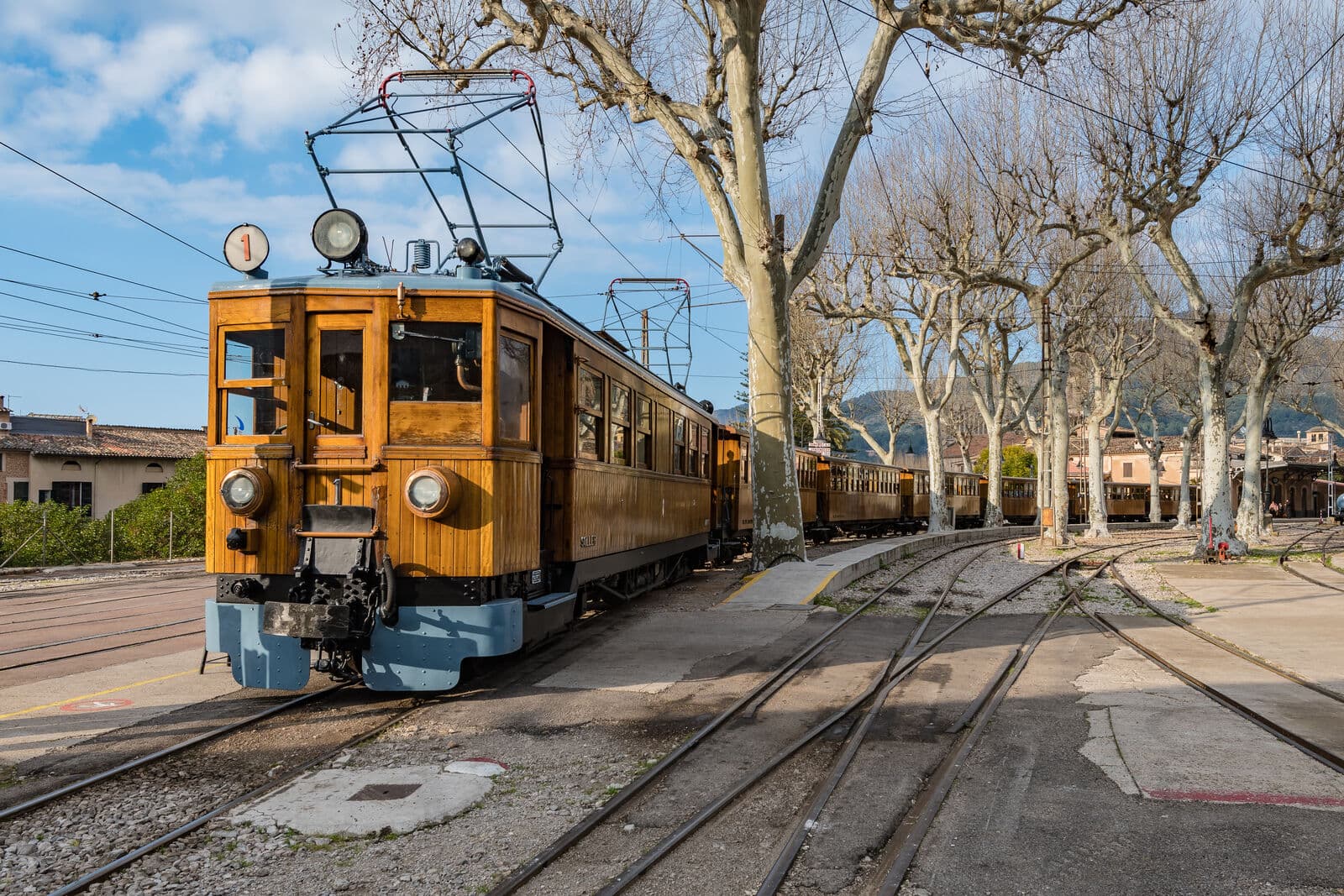
TIB's red and yellow buses link Palma with the island's towns and much of the coast. Many routes leave from the Estació Intermodal on Plaça d'Espanya in Palma, the same station the trains leave from.
The network changes with the season: in high season, seasonal routes may be added and the busiest services reinforced. In 2026, for example, the Balearic government announced eleven summer routes, more services between Palma and Port de Sóller and the Formentor shuttle from 15 May to 15 October. So check the timetable for your exact dates on tib.org or in the official TIB app, which since September 2026 shows where buses are in real time.

To pay, most people use one of these three options:
- Contactless bank card: valid on TIB buses, trains and the metro, with discounts for groups of up to five people travelling on the same card. You have to tap in when you board and tap out when you get off: if you don't tap out, a penalty is charged.
- Single ticket: still available if you don't pay by card.
- Tarjeta Única or Tarjeta Intermodal: in 2026, TIB bus, train and metro journeys made with these cards are free. The free travel only applies to them; with a bank card or a single ticket you pay the normal fare.
Trains and the metro
SFM trains leave from Palma's Estació Intermodal and head inland: to Inca, sa Pobla and Manacor. They're a comfortable way to reach those towns, but the lines end inland; to carry on to the coast you need a bus, and TIB has routes that connect with the trains. The metro links the Estació Intermodal with the University of the Balearic Islands and rarely features in a holiday plan.
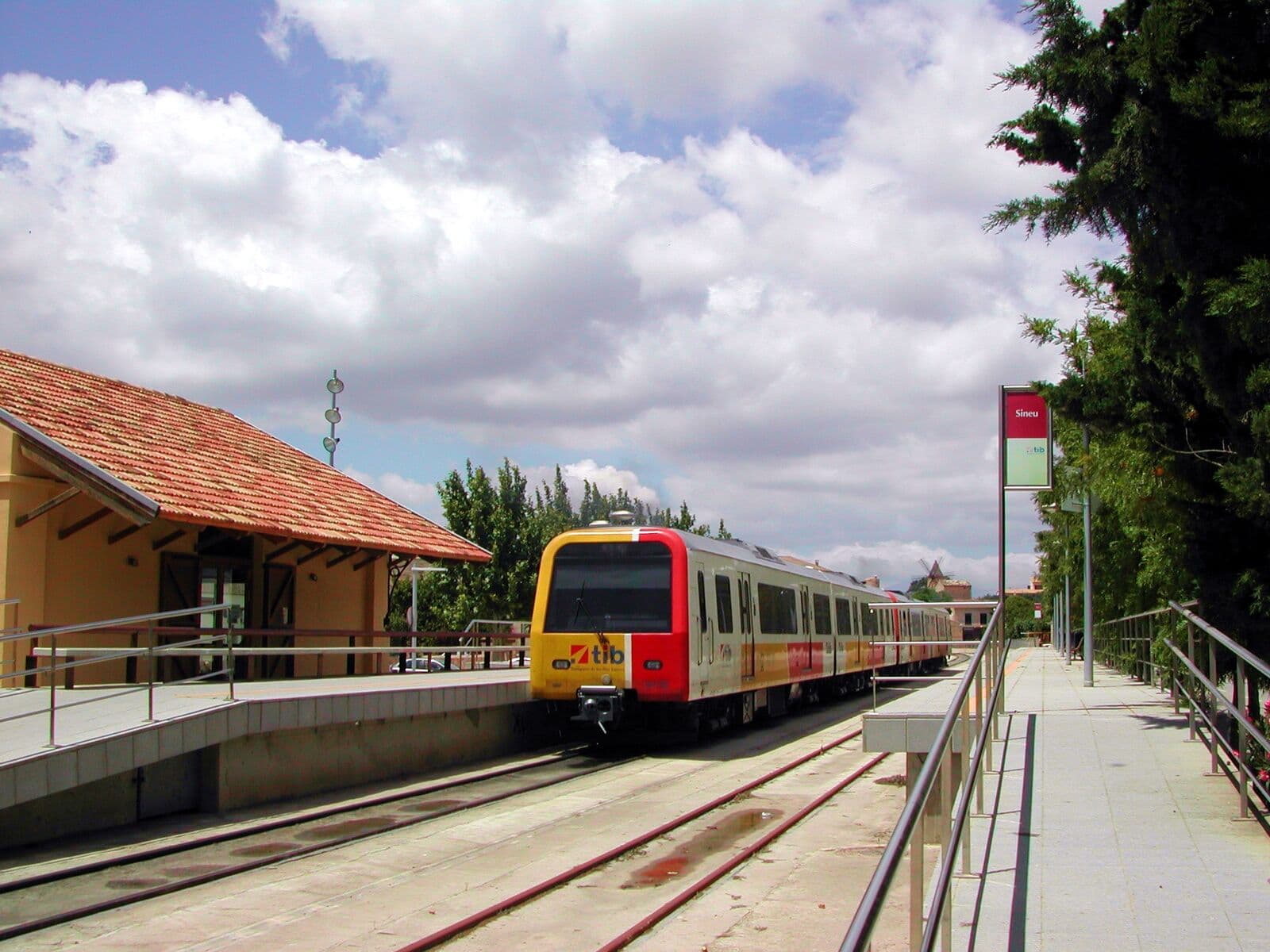
The Sóller Train is something else: a wooden train that opened in 1912 and runs from Palma to Sóller, in the heart of the Serra de Tramuntana, with a tram continuing to Port de Sóller. It has its own website and its own tickets, sold online and at the stations, and it works more as an excursion than as everyday transport.
Getting around Palma by EMT
Palma's historic centre is easy to explore on foot. For longer distances, such as the seafront or neighbourhoods away from the centre, there are EMT city buses, which have accepted contactless bank cards across the whole fleet since March 2026. Its A1 and A2 routes also link the airport with the city centre and with S'Arenal.
Getting around Mallorca by car
Advantages
- Freedom from timetables: you leave and come back when you like, which makes a difference in areas with few buses and outside summer, when the seasonal routes aren't running.
- Several stops in one day: a cove in the morning, a village in the afternoon and a viewpoint at sunset, with no changes.
- Access to scattered places: coves, viewpoints and mountain villages that public transport serves less often or not at all.
- Convenience if you're travelling with children, bulky luggage or sports gear.
Drawbacks and practical points
- Parking at the best-known coves: at several in the south-east, access and parking are regulated in summer and fill up early. We go through it cove by cove in our guide to the best coves in Mallorca.
- Formentor in season: in 2026, from 15 May to 18 October, 10:00 to 22:00, the DGT (Spain's traffic authority) limited car access to Formentor beach according to car park capacity and kept the section to the lighthouse for authorised vehicles, including the TIB shuttle.
- Mountain roads: the Serra de Tramuntana has narrow, very winding stretches, such as the descent to Sa Calobra, where traffic jams form in season when coaches and cars meet. The mountains are also a regular setting for cycling routes.
- Palma is better without a car: the centre has had a low-emission zone since 2025, with restrictions based on the vehicle's environmental label, and the old town is best enjoyed on foot. If you're staying in Palma, you may only need a car on day-trip days.
- A law on the way: the Consell de Mallorca has sent the Balearic Parliament a law to limit the number of vehicles entering the island, with a cap on hire cars, which as announced would apply from the 2027 high season. If you're travelling in 2027 or later, check how it turned out.
If you only hire a car for a few days, save them for the areas that need it most, such as the south-east coves or Sa Calobra and Cala Tuent, and use public transport for the rest of the trip.
Mallorca without a car: the easiest areas
Palma
It's the easiest base without a car: the trains and many TIB routes leave from the Estació Intermodal, the EMT covers the city and its airport routes reach the centre. If you're choosing where to stay, our guide on where to stay in Mallorca explains which areas suit a car-free trip best.
Sóller and Port de Sóller
TIB buses run between Palma and Port de Sóller, and one of the routes goes via Valldemossa and Deià. The Sóller Train is the more scenic alternative, and the tram links Sóller with the port. In season, tourist boats leave Port de Sóller for Sa Calobra, a practical way to get there without driving.
Alcúdia and Port de Pollença
TIB routes link Palma with Port de Pollença and the Bay of Alcúdia, and the A32 airport route runs as far as Can Picafort. It's a practical base for a beach holiday without a car, and in season the 334 shuttle climbs to Formentor from Alcúdia and Port de Pollença.
Places that are harder without a car
Without a car you can reach many of the main destinations, but some places take more planning, changes or giving up part of the day:
- South-east coves such as Caló des Moro or Cala Llombards: access is regulated in summer; before you go, check on tib.org which routes reach the area on your dates.
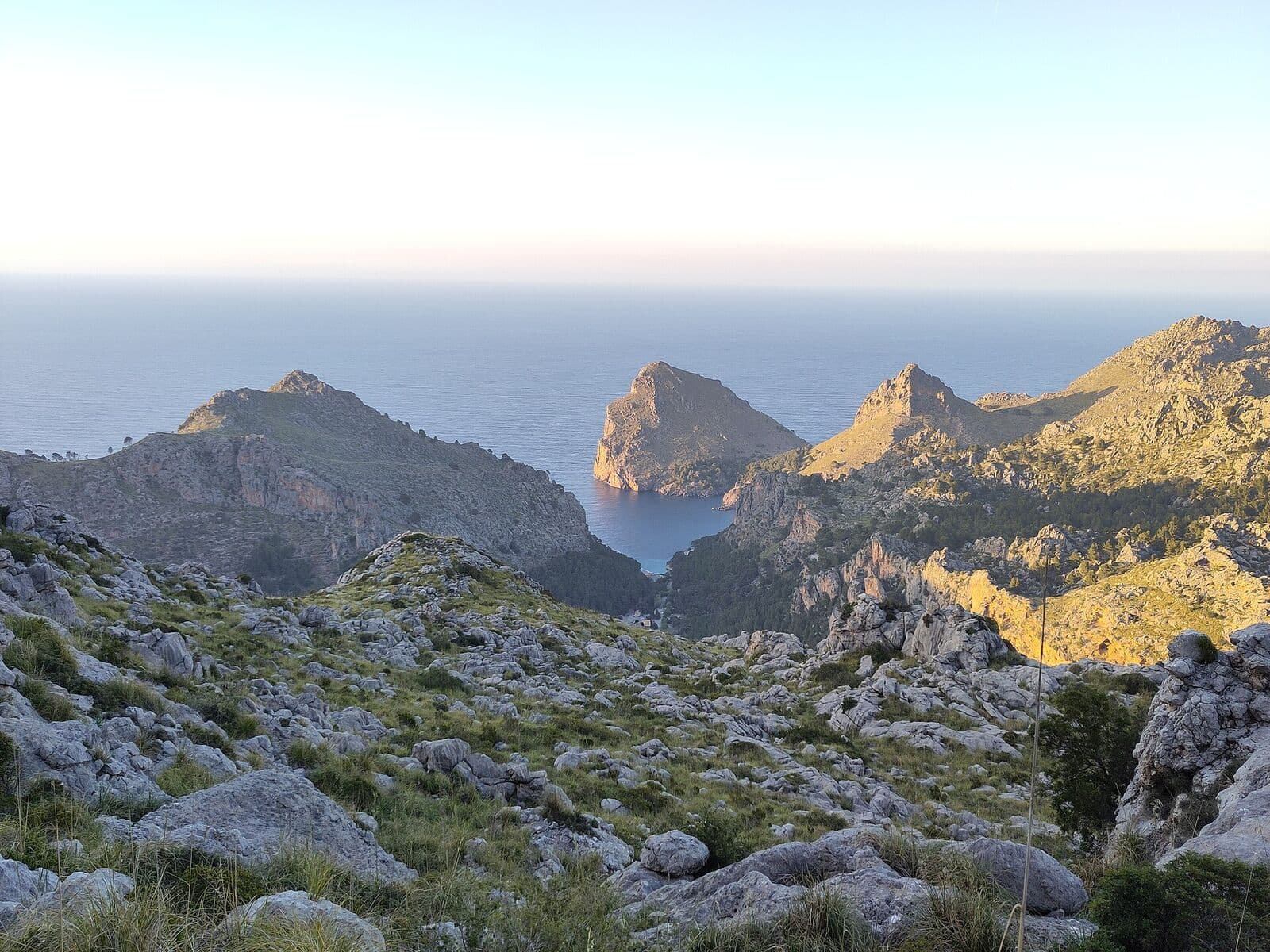
- Sa Calobra and Cala Tuent: they're reached by mountain roads. Without a car, the most practical option for Sa Calobra is the boat from Port de Sóller in season.
- Formentor out of season: the TIB shuttle only runs in season; in 2026, from 15 May to 15 October.
- Inland villages and days with many stops: the train reaches some villages, but linking several in one day depends on timetables and changes.
- Early mornings and late evenings: a sunrise, dinner in another village or a very early flight; check the first and last services before you plan.
For these trips, a sensible alternative is to hire a car for just one or two days, book an organised excursion or take the occasional taxi.
Getting from the airport to your accommodation
Palma airport (Son Sant Joan) has direct bus links with Palma and with several of the island's resort areas. According to Aena, the airport operator, the bus stops and the taxi rank are at the terminal, with the taxi rank and the TIB stop on the arrivals floor; follow the signs, because the stops can be moved temporarily.
- To central Palma: EMT route A1 (Airport–Palma centre).
- Towards S'Arenal: EMT route A2.
- To resort areas outside Palma: TIB's Aerotib routes, with the A11 to Camp de Mar via the Calvià coast, the A32 to Can Picafort, the A42 to Cala Bona and the A51 to Campos.
- To the rest of the island: from central Palma you connect with the trains and the other TIB routes.
Some Aerotib routes only run in season or change their calendar every year, so check on tib.org whether your route is running on your flight dates. You can pay by contactless bank card on all of them. If you arrive at night, with lots of luggage or in an area with no direct route, a taxi or a pre-booked transfer is usually more practical.
Taxis and other options
At the airport, Aena advises always taking a taxi from the signposted rank at the terminal. Since 2025, Mallorca has had a single regulated taxi tariff for the whole island, with supplements such as the one for the airport and ports; Palma City Council publishes the current fares.
Taxis work well for one-off trips: getting to your accommodation, coming back from dinner or covering the stretch the bus doesn't reach. There are also ride-hailing services and private transfers booked in advance, and organised excursions that take care of transport to specific places.
Cycling in Mallorca
Mallorca is a well-known cycling destination: the official Balearic tourism board highlights the variety of routes, with the Serra de Tramuntana as the star setting, and the many bike shops and rental companies.
As a way for visitors to get around, bikes work best over short distances: Palma has more than 50 kilometres of cycle lanes, and the one along the bay is used all year round. If you want to use the city's public bike scheme, check the sign-up conditions first. For touring the island, cycling is more a holiday plan in itself than an alternative to a car.
Which transport to choose for your trip
There's no single answer, but these profiles are a good starting point:
- Palma only: on foot and by EMT city bus. For a stay centred on Palma, a car usually adds little and makes parking harder.
- Palma and well-connected places such as Sóller, Valldemossa or Alcúdia: public transport, using the trains and TIB buses.
- Beaches and coves: if they're beaches in resort areas with a bus, you can go without a car; if you want to hop from cove to cove, especially in the south-east, a car gives you much more flexibility.
- Villages and the Serra de Tramuntana: Valldemossa, Deià and Sóller have buses from Palma; for the viewpoints and places such as Sa Calobra, a car or the boat from Port de Sóller makes things easier.
- A week with lots of travelling: a car, or a mix of public transport and a few days with a hire car. In Mallorca in 7 days we suggest a route by car along with its car-free version.
- You don't want to drive: choose a well-connected base (Palma, Sóller or the Bay of Alcúdia), get around by bus and train and keep taxis or an organised excursion for the hardest places.
Whatever your situation, decide where to sleep first and how to get around second: the base you choose largely determines how you'll be able to get around during the trip.
Frequently asked questions
Can you visit Mallorca without a car?
Yes, especially if you stay in Palma, Sóller or the Bay of Alcúdia and accept a few trade-offs: several south-east coves, Sa Calobra or Formentor out of season take more planning without a car.
Is public transport in Mallorca free?
In 2026, journeys on TIB buses, trains, the metro and EMT buses made with the Tarjeta Única or the Tarjeta Intermodal are free. With a bank card or a single ticket you pay the normal fare. Free travel has been approved year by year, so check if you're travelling later on.
Can you pay for the bus by card?
Yes. TIB buses, trains and the metro accept contactless bank cards, and since March 2026 so do all EMT buses in Palma. On TIB services, remember to tap in when you board and tap out when you get off.
How do you get from Palma to Sóller without a car?
By TIB bus or on the Sóller Train; from the town to the port you can carry on by tram. The historic train is the most scenic option, and the bus is the easiest to combine with the rest of the network.
Can you reach the coves by public transport?
Some, yes, especially those next to towns or resort areas with a bus. Others, particularly in the south-east and the Tramuntana, are easier by car or by boat. Our guide to the best coves in Mallorca explains how to reach each one.
Related guides

Travel
Where to stay in Mallorca: the best areas for your trip
Which part of Mallorca to choose as your base for the kind of trip you're planning: Palma, the north, the east coast, the south-west, the Serra de Tramuntana or the south, with pros, cons, transport and whether you need a car.
14 min read
Travel
Mallorca in 7 days: a complete day-by-day itinerary
A balanced plan for a first week in Mallorca: Palma, the south-east coves, the Serra de Tramuntana, Sa Calobra, the north, Formentor and a flexible day, with options with and without a car.
13 min read
Travel
Best coves in Mallorca
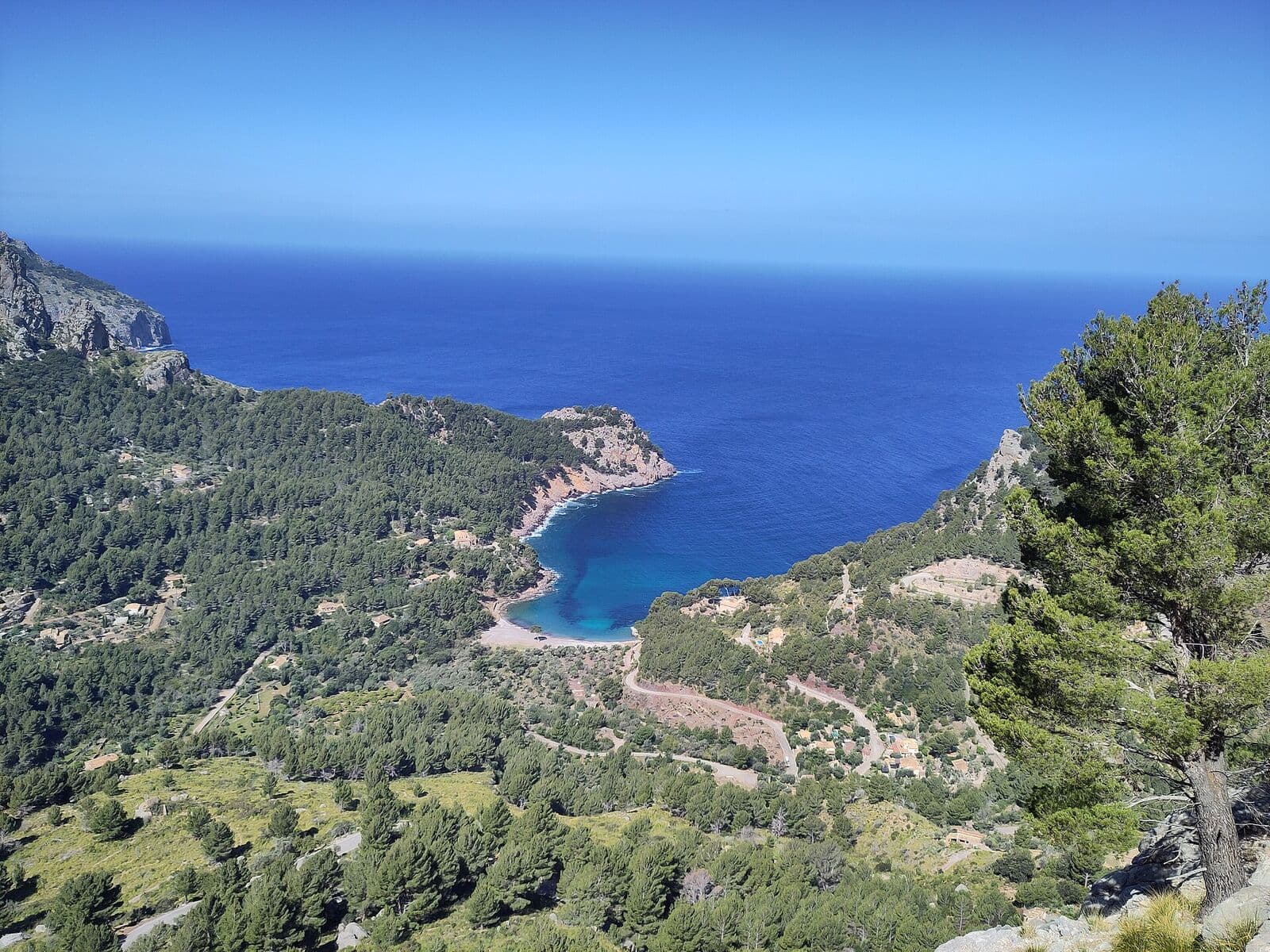
How to choose a cove in Mallorca for your plans (families, snorkelling, scenery, easy access or peace and quiet) and what to know about access, parking and facilities before you go.
11 min read