
Rome in 3 days: a complete itinerary for a first visit
Plan three full days in Rome with a practical route through ancient Rome, the historic centre and the Vatican, plus booking, transport and timing advice.
By TopicWeekPublished 12 min read

In this article
Three days in Rome are enough to explore its main historic areas, not to see everything. For a first visit, spend day one at the Colosseum, Roman Forum and Palatine; day two walking the historic centre from Piazza Navona to the Pantheon, Trevi Fountain and Piazza di Spagna; and day three at the Vatican Museums and St Peter’s, with Castel Sant’Angelo and Trastevere as optional stops. Book timed visits first, allow time for security and meals, and rearrange the days around closures and ticket availability.
This plan assumes three full sightseeing days, not an afternoon arrival or morning departure.
Route at a glance
- Day 1 — Ancient Rome: timed Colosseum entry → Roman Forum and Palatine → Campidoglio if time and energy allow.
- Day 2 — Historic centre: Piazza Navona → Pantheon → Trevi Fountain → Piazza di Spagna, with a flexible break.
- Day 3 — Vatican and Tiber: Vatican Museums in the morning if open → check St Peter’s Basilica separately → Castel Sant’Angelo exterior → Trastevere if there is time.
Vatican City is a separate state within Rome. The Museums, St Peter’s Square and Basilica are different places with separate access rules. Do not assume that a Museums ticket includes a direct passage to the Basilica.
Before you go
The Colosseum Archaeological Park requires a time slot for Colosseum entry. On 17 October 2026 its official information said sales opened 30 days ahead and tickets were nominative; bring the required ID. Check exactly what the ticket includes: standard access does not automatically include the arena, underground areas or attic.
The Vatican Museums usually open Monday to Saturday and close most Sundays; the limited last-Sunday exception has conditions and reduced hours. Their only official online sales portal is tickets.museivaticani.va. Check the calendar, hours, dress and photography rules before fixing day three. A booking helps with timed entry but does not remove security checks or all waiting.
Hours, access and queues can change with the season, religious services, crowd management, maintenance and security measures. A reservation gives you a planned entry time; it does not remove checks or all waiting. Recheck each official calendar close to your visit.
Day 1: Colosseum, Forum and Palatine
Morning: the Colosseum with a timed booking
The standard Colosseum–Forum–Palatine ticket described by the Park is valid for 24 hours and gives one timed entry to the Colosseum’s first and second levels, without the arena, plus one entry to the Forum–Palatine archaeological area. Other tickets include different spaces; check the official description for your date. Colosseum slots are compulsory and sales open 30 days ahead. Keep the named ticket and required ID together, allow time for security, and reserve several hours for the uneven, exposed Forum and Palatine rather than adding another long museum visit.
The Park’s published seasonal schedule on 17 October 2026 said 1–24 October closing was 18:30 with last admission at 17:30; 25 October 2026–28 February 2027 last admission was 15:30 and closing 16:30. These are dated schedules, not permanent hours.
Midday and afternoon: the Forum and Palatine
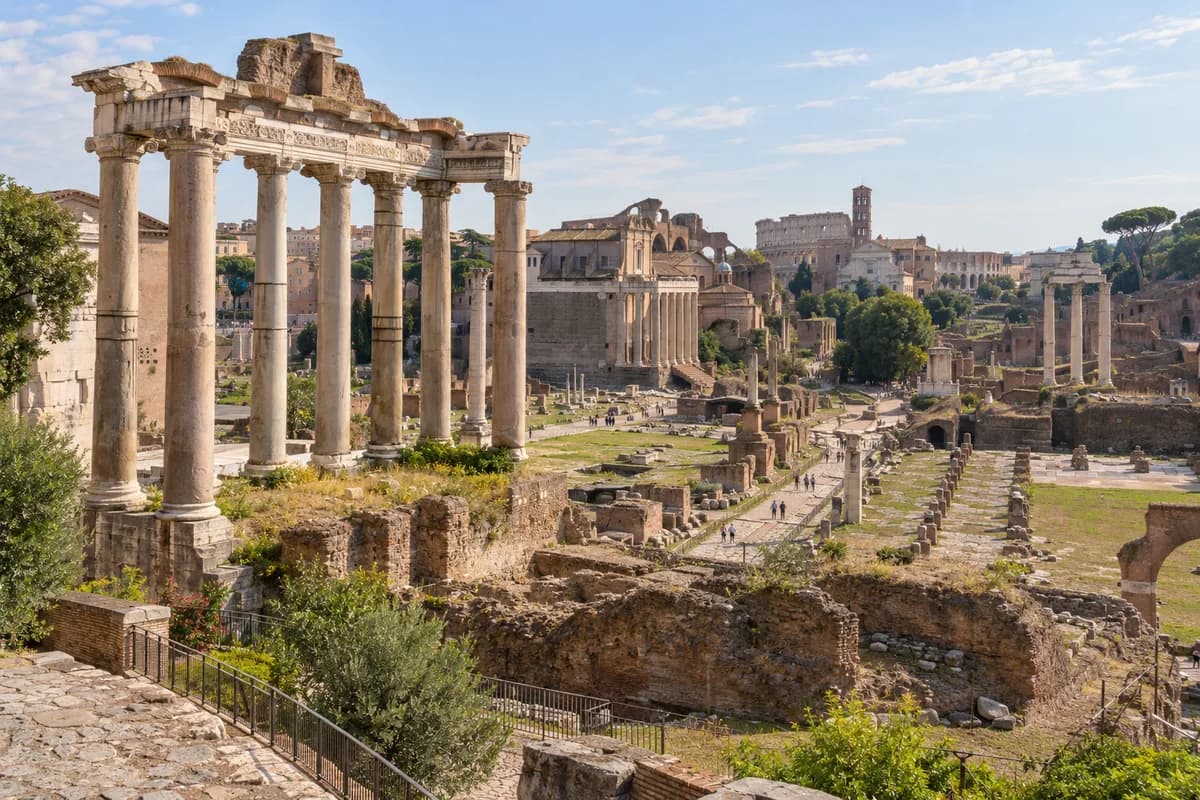
Start at the Colosseum at the time on your booking. The visit covers only the areas listed for your ticket. Allow a generous block for security and the visit, then continue to the Forum and Palatine according to the access and validity conditions of that ticket. These are extensive archaeological areas with uneven ground, slopes and exposed sections; plan several hours and do not rush through them just to add another museum.
The Roman Forum was the civic centre of the ancient city; the Palatine is known for imperial palace remains and views across the archaeological area. Follow the access route and ticket validity shown for your visit, and leave several hours for the large, uneven and partly exposed site. Pause for food and water instead of rushing to add another museum.
If you still have energy, finish outdoors at Piazza del Campidoglio. The square is not the same as the Capitoline Museums, which require a separate ticket and time. Via dei Fori Imperiali or Piazza Venezia can be brief optional walks, not extra mandatory interior visits.
Day 2: the historic centre
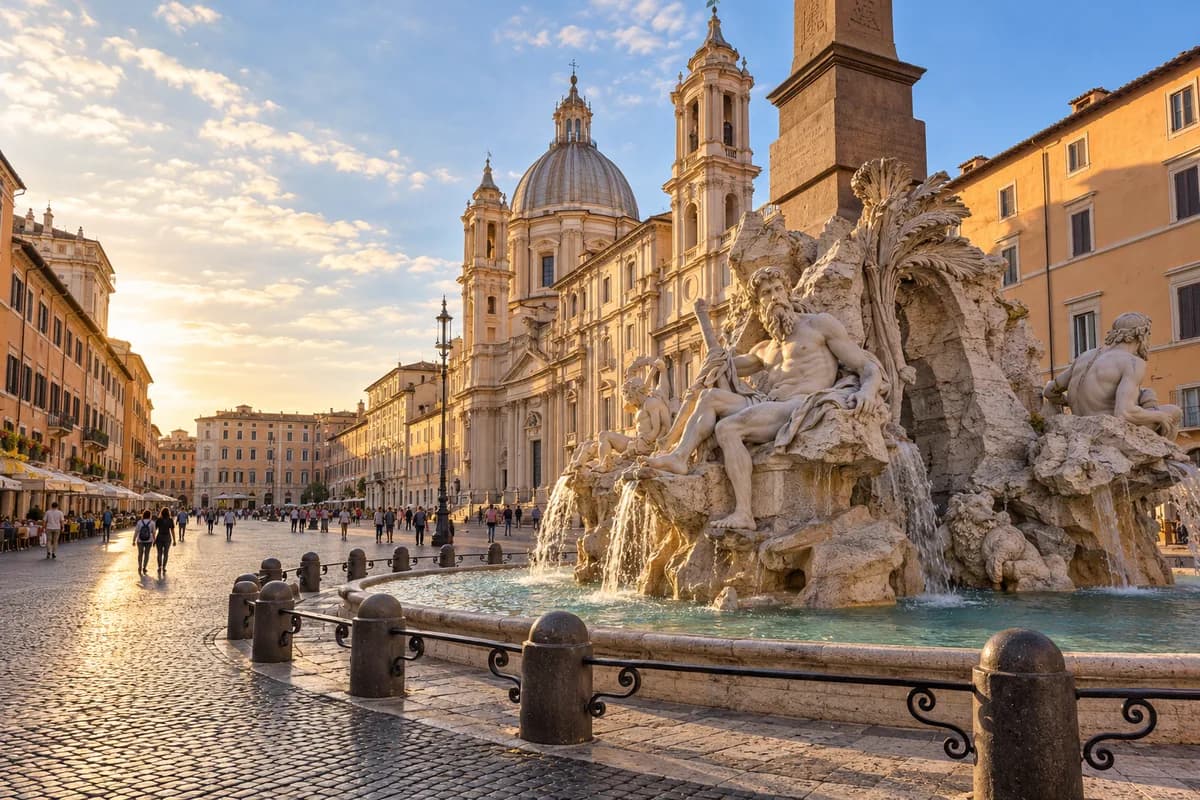
This is a walk through the historic centre, not a sequence of timed indoor visits. Walk from Piazza Navona towards the Pantheon, Trevi and Piazza di Spagna if the paving, crowds, weather and your mobility suit you. Leave time for a meal and rest; skip an optional stop if the day feels too full.
Piazza Navona and the Pantheon

Piazza Navona follows the elongated footprint of the ancient Stadium of Domitian. Take time to look at the fountains and façades; the public square is an outdoor stop, separate from any museum ticket.
The Pantheon’s published full fare on 17 October 2026 was €7; exemptions and reductions apply, including to under-18s and eligible EU visitors aged 18–25. Its listed hours were 09:00–19:00, with individual last entry at 18:30, but worship and other changes can affect access. From 2 February 2026, non-residents of Rome and its Metropolitan City need a €2 ticket for the controlled inner perimeter at Trevi; listed exemptions include residents, children under six and people with disabilities plus one companion. The fountain remains visible from outside that area. Check the official calendar before you go.
Trevi Fountain and Piazza di Spagna
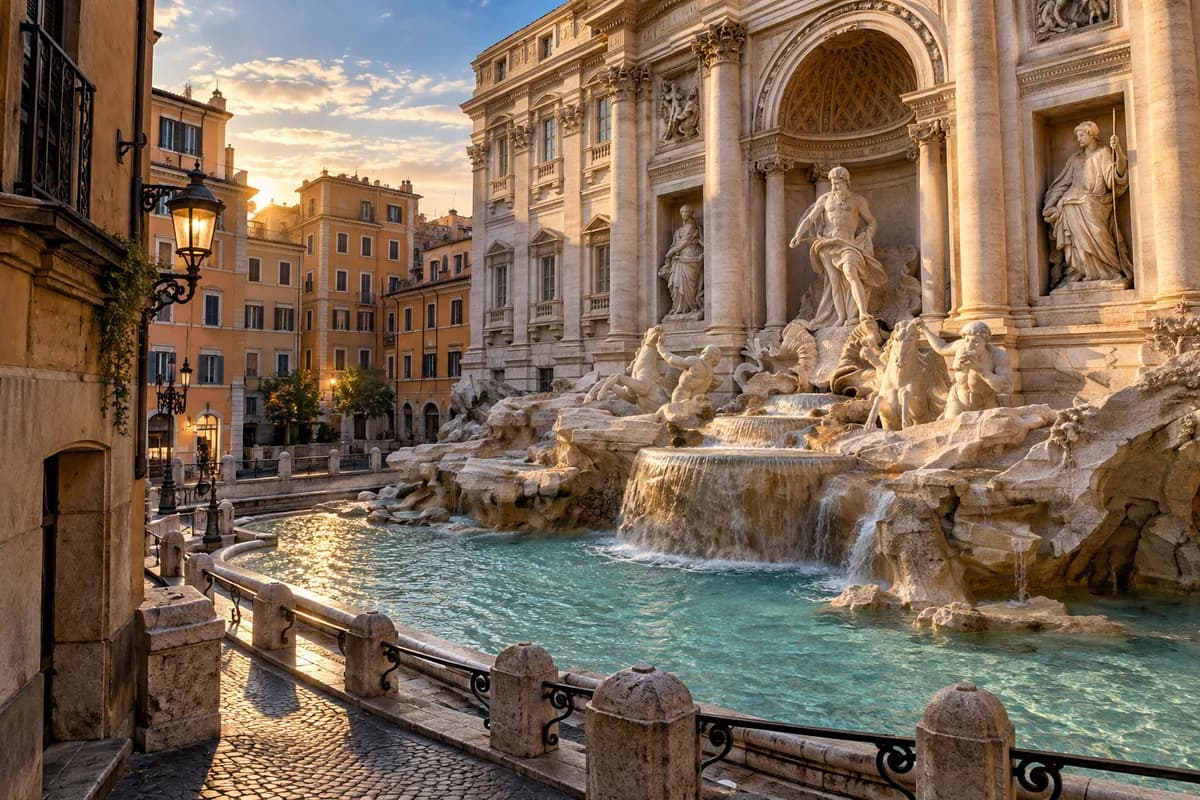
From 2 February 2026, a €2 ticket applied to the controlled area closest to Trevi Fountain for visitors who are not residents of Rome or its Metropolitan City; exemptions and operating changes apply. This does not make the whole piazza paid: visitors can view the fountain from outside the controlled area. Check Rome’s official notice and the fountain’s official site before visiting. At Piazza di Spagna, follow conservation rules and do not sit, eat or leave rubbish where prohibited.
Finish at Piazza di Spagna and the Spanish Steps. Follow conservation rules and do not sit, eat or leave rubbish where prohibited. If you extend the walk, choose one nearby stop, such as Via del Corso, rather than adding several. Keep room for crowds, uneven paving and a break.
Day 3: Vatican, St Peter’s and optional Trastevere
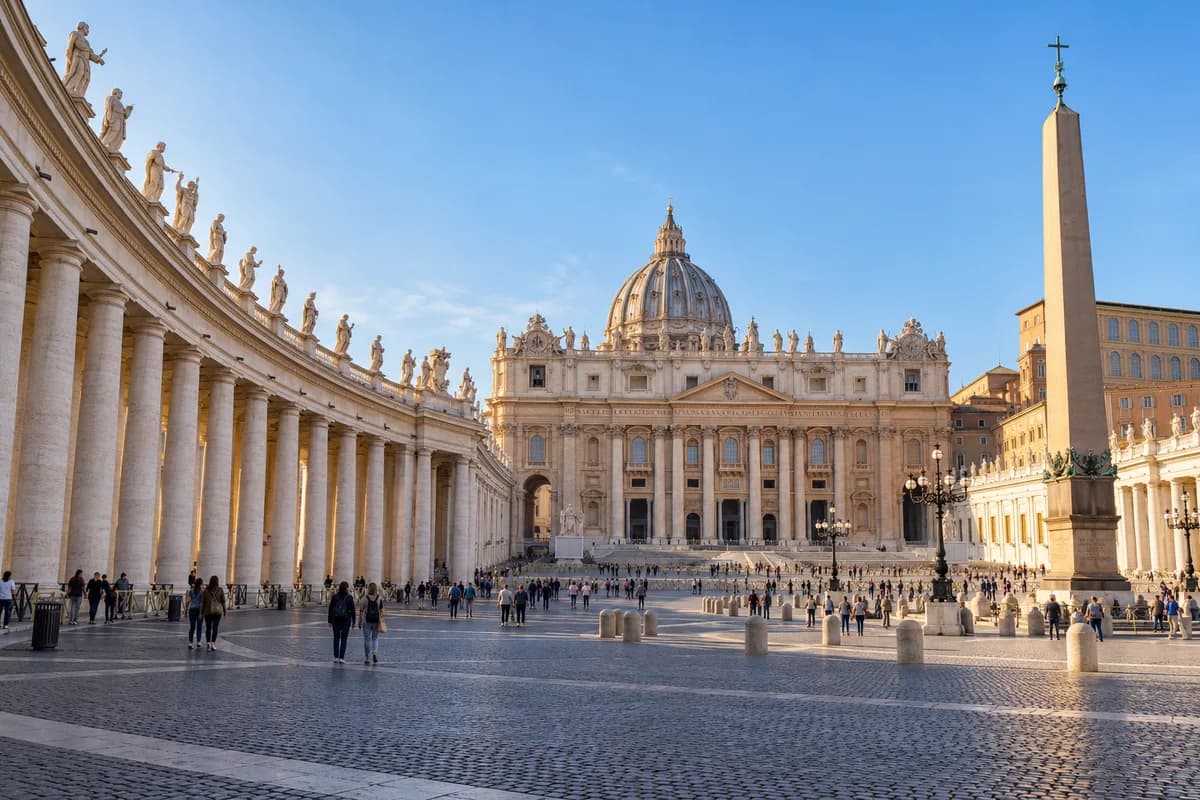
Morning: the Vatican Museums
The Museums publish Monday–Saturday hours of 08:00–20:00, final entry 18:00. They generally close on Sundays; the last-Sunday opening is 09:00–14:00, final entry 12:30, and is subject to calendar exceptions. The only official online ticket portal is tickets.museivaticani.va. St Peter’s Basilica has its own access and, from 1 June 2026, published hours of 07:00–20:00 with last entry by 19:15 subject to visitor flow and security queues. This does not create a guaranteed direct passage from the Museums. The dome is a separate optional visit with its own hours and ticket. Book the Vatican Museums through their official portal and leave a large block for the collections and Sistine Chapel. Follow current security, dress and photography rules; do not assume every room permits photography or that photographs can be reused editorially.
Afternoon: St Peter’s Square and Basilica
Check St Peter’s Basilica access and hours separately. Since 1 June 2026, its published general hours were 07:00–20:00, with last entry up to 19:15 depending on crowd levels and security queues. Religious services and controls can affect tourist access.
General Basilica entry may have no admission charge, but this does not include every service. The dome is a separate optional visit with its own ticket, hours, physical effort and possible queues; check the current arrangements before deciding.
You can view Castel Sant’Angelo from the Tiber-side exterior. Entering the museum is a separate visit with its own ticket and opening times, so treat it as optional rather than adding it automatically after the Vatican.
Optional finish: Trastevere
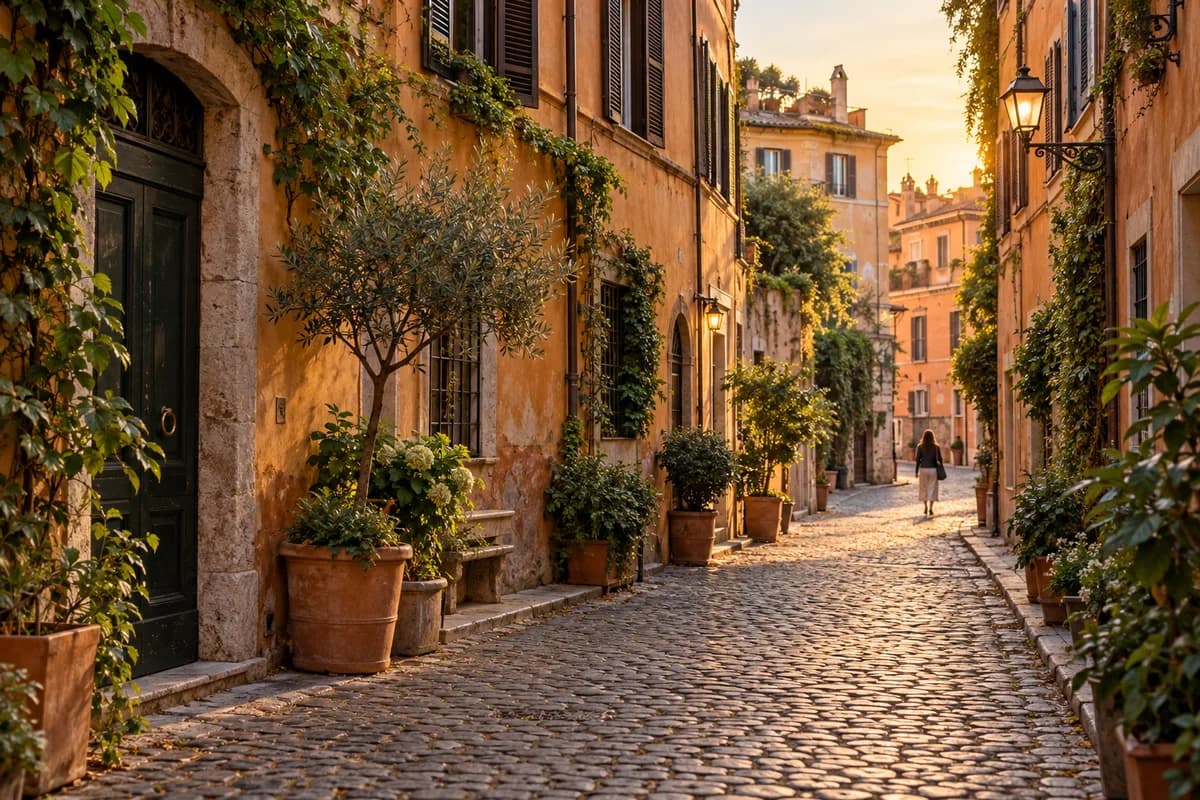
If time and energy allow, cross towards Trastevere for a walk through its streets and squares. It is a historic neighbourhood with everyday life, not the only “authentic” part of Rome. Choose dinner to fit your plans and check a venue’s hours directly.
How to change the order around closures
Do not automatically schedule the Vatican Museums on Sunday. They usually close that day, apart from the limited last-Sunday opening, which has shorter hours and its own conditions. If your three days include a Sunday, put the Museums on a confirmed opening day and move the historic-centre or ancient-Rome day to the available slot. Check St Peter’s liturgy calendar separately.
The Colosseum changes its hours by season, and the Pantheon may restrict access during religious services. Book timed visits first, then build the rest around them. If your Colosseum slot is in the afternoon, follow the order permitted by your ticket for the Forum and Palatine; combined access is not identical for every ticket. If you arrive late in Rome, make that a short walk near your accommodation rather than a full sightseeing day.
Tickets to check before you go
- Colosseum, Forum and Palatine: use the official portal; compare ticket areas and reserve the Colosseum time slot. Arena, underground and attic access require specific ticket types.
- Vatican Museums: buy through tickets.museivaticani.va and confirm the opening calendar.
- Pantheon: check full fare, reductions, exemptions and access at the official museum page and Musei Italiani.
- Trevi Fountain: check who pays for the controlled inner perimeter, current exemptions and hours at the official fountain site.
- Dome, Castel Sant’Angelo or Capitoline Museums: optional separate visits; book only if the visit and current opening hours fit your day.
Transport, budget and flexibility
The historic centre is walkable in sections, but the cumulative distance, cobbles, stairs, slopes and heat can be tiring. Rome also has metro, buses and trams; check current service and accessibility information with ATAC.
As of the factual date, ATAC listed BIT at €1.50 for 100 minutes, Roma24H at €8.50, Roma48H at €15 and Roma72H at €22 from first validation, subject to vehicle and area rules. A 72-hour pass is not automatically worthwhile if you walk a lot or make few trips. It is not the same as Roma Pass or an airport express ticket.
Fiumicino and Ciampino have different connections. Leonardo Express serves Fiumicino, not Ciampino. Check options, timetables and prices with the airport and transport operator for your dates; do not apply one service’s fare or journey time to every connection.
Where to stay for this route
The historic centre can reduce some walks but varies by street and date. Termini is useful for rail and transit connections, though check the exact accommodation address and your evening route. Monti is convenient for ancient Rome; Prati can suit the Vatican area; Trastevere works for an evening there but is not beside every attraction. No district is best for everyone: compare the first booked visit, transit, noise, access, cancellation terms and total price.
Free sights and adapting the pace
Many squares and exterior views are free: Piazza Navona, the Pantheon’s exterior, much of Piazza di Spagna and Trevi viewed outside its controlled area. Entry inside a monument or museum has separate terms. On a tighter budget, choose the outdoor stops and one paid visit that matters most to you.
For a slower trip, plan one long timed visit per day and drop optional stops. With children, alternate a long visit with a walk and rest. If mobility is limited, check access, lifts, surfaces and transit with each venue; cobbles and slopes prevent a universal accessibility promise. In rain, verify that indoor alternatives are open and tickets are available. If you have fewer than three full days, prioritise rather than compressing every stop.
Common planning mistakes
- Leaving the Colosseum or Vatican booking to the last minute.
- Treating the Museums and Basilica as the same entrance.
- Assuming all of Piazza di Trevi is paid.
- Scheduling too many long visits in one day.
- Ignoring seasonal schedules, Sundays and religious events.
- Assuming a transit pass covers every airport trip.
- Treating a reseller as an official ticket source without checking that it is linked by the monument’s own website.
- Forgetting security, meals and rest time.
For a full trip-cost plan, see our guide to making a travel budget.
Before-you-go checklist
- Confirm opening hours and closures for your dates.
- Book the Colosseum and Vatican Museums through their official portals.
- Check separately what each ticket includes.
- Review Trevi’s paid perimeter and exemptions.
- Leave time for security, meals and rest.
- Check ATAC and the relevant airport connection.
FAQ
Can you visit Rome in three days?
Yes, selectively; not every attraction.
What should I see on day one?
The booked Colosseum, Forum and Palatine; Campidoglio is optional.
What belongs on day two?
Piazza Navona, Pantheon, Trevi and Piazza di Spagna.
What belongs on day three?
Vatican Museums if open, separately checked Basilica access, then optional Castel Sant’Angelo and Trastevere.
How long should I spend at the Colosseum?
It depends on your ticket, security, queues and interests. Allow a generous block and avoid adding another long timed visit immediately afterwards.
Should I book the Colosseum?
The official site requires timed entry; check the current ticket portal.
Are Forum and Palatine included?
Some tickets include them; confirm validity and conditions.
How long do the Vatican Museums take?
They can take most of a morning or longer, depending on the route and crowds; there is no universal visit duration.
Are the Vatican Museums and Basilica the same?
No; they have different access rules.
Is St Peter’s Basilica free?
General entry may have no admission charge, but security and conditions apply; the dome is separate.
Is Trevi Fountain free?
Since February 2026, the €2 charge applies to the controlled inner perimeter for visitors who are not residents of Rome or its Metropolitan City, subject to exemptions; viewing from outside is free.
Does the Pantheon charge admission?
The published full fare was €7 on the factual date, with exemptions and reductions.
Should I walk or use the metro?
It depends on distance, mobility, heat and fatigue. You can walk through much of the centre, but there is no need to do every journey on foot; use transit for a longer or tiring leg.
Is the 72-hour ATAC pass worth it?
Only if the trips you expect to make justify the fare. Estimate your journeys and check the pass rules; do not count airport services or other transfers that are not covered.
Where should I stay?
Choose a location near the areas you most want to visit and a useful transport connection. The historic centre, Termini, Monti, Prati and Trastevere have different advantages; compare the exact address, noise, access and total price.
How much does three days cost?
There is no single budget. Costs depend on dates, accommodation, meals, transport and admissions. Add your confirmed bookings, then check current official ticket and transit fares for your dates.
What is free?
Many piazzas and exterior views can be enjoyed without an admission ticket, including the outside of the Pantheon and the view of Trevi from beyond its controlled perimeter. Entry to interiors and controlled areas can have separate charges.
What if the Vatican Museums are closed?
Move the Vatican day to a confirmed opening day and swap it with the historic-centre or ancient-Rome day. Check Basilica access separately, since its schedule and services are not the same as the Museums’.
How far will I walk?
It depends on your accommodation, detours and pace. Plan by area and check a current map on your phone; one distance figure would not apply to every itinerary.
What if I only have two days?
Choose ancient Rome for one day and either the historic centre or the Vatican for the other, based on your interests and ticket availability. Prioritise rather than trying to compress all three days into two.
For a first visit, a short, well-ordered route is more useful than an impossible timetable. Book visits that depend on a time slot, recheck official updates shortly before travelling, and leave room to stop, look around and adjust the plan.
Related guides

Travel
Japan in 10 days: a first-trip itinerary
A realistic 10-day Japan itinerary for a first visit, linking Tokyo, Kyoto and Osaka with transport, budget, entry and booking advice.
22 min read

Travel
Flight delayed or cancelled? What to do, refunds and compensation
What to do at the airport, what you can ask for (care, another flight, a refund or compensation) under the applicable rules, and how to claim if the airline doesn't respond.
15 min read

Travel
How to book accommodation without surprises: total price, cancellation, payments and scams
A practical guide to choosing and booking a hotel, apartment or holiday home: how to compare the total price, understand free cancellation and deposits, pay safely, spot scams and act if something goes wrong.
16 min read