
Damp in the home: types, causes and how to fix it
Learn to distinguish condensation, water ingress, rising damp and leaks, read the signs and choose next steps based on the likely cause.
By TopicWeekPublished 8 min read

In this article
A dark mark, lifting paint or a persistent smell can make damp seem like one problem with one cause. But damp describes a condition, not its source. Water may arrive as vapour that condenses, enter from outside, escape from a service or move through materials in contact with the ground. The useful response depends on which mechanism fits and on checking it before arranging repairs.
What does damp in a home mean?
In a home, “damp” may refer to water vapour in the air or water held in a wall, ceiling or floor. They are not the same. Humid air can contribute to condensation on cold surfaces; a wet wall may also result from a leak or rain crossing the building envelope. Mould is possible biological growth in damp conditions, not a synonym for damp or the automatic explanation for a dark mark. The US EPA and the WHO recommend controlling moisture, but no visual clue alone identifies the source in a particular home.
Four common ways water reaches a home
Condensation: vapour from people, showers, cooking or indoor laundry settles as water when moist air meets a sufficiently cold surface. It is often seen on windows, corners and areas with little air movement. Poor ventilation can contribute, but so can a cold surface, a thermal bridge or a combination.
Water ingress from outside: rain or other external water gets through or around part of the building, such as a roof, façade, terrace, joint or window junction. A mark that appears after rain is a clue to check the exterior; it does not prove which part has failed or rule out another cause.
Rising damp or capillary movement: in some buildings and porous materials, water may move from the ground through walls or floors in contact with it. This is a building-related hypothesis that requires assessment of the structure and possible water routes. A low mark, salts or a high meter reading does not confirm it on its own; other problems can produce similar signs.
A leak or retained water: a pipe, drain, heating system, appliance or faulty seal may wet materials. Water may also remain inside layers after a leak or flood even when the surface looks dry. If a patch grows without a link to weather or is near a service, it should be checked promptly.

What signs can you observe?
Look beyond colour and note the location and change over time: when it appears, whether it changes after rain or water use, which rooms it affects, and whether there is an odour, condensation or finish damage. Compare several days and, if safe, look from the other side of the wall. The guide below helps you decide what to check or whom to contact; it does not replace an inspection. One sign can have several causes, and causes can coexist.
- Droplets on glass or cold corners: may occur with condensation. Check whether they recur at several windows, after cooking or showering, and whether vents and extractors work.
- A mark that appears or grows after rain: consider water entering through a roof, façade, terrace, gutter or joint. Note the weather and ask for the outside to be checked; do not climb onto a roof or dismantle parts.
- Damp near a bathroom, kitchen or radiator: a leak or failed seal is one possibility, as are splashes or condensation. Visually check accessible fittings and changes in the water meter; do not open services.
- A persistent mark at the bottom of a wall: may justify checking ground contact, but a leak, outside water, splash-back or damaged finishes can also cause it. Do not buy rising-damp treatment based on height alone.
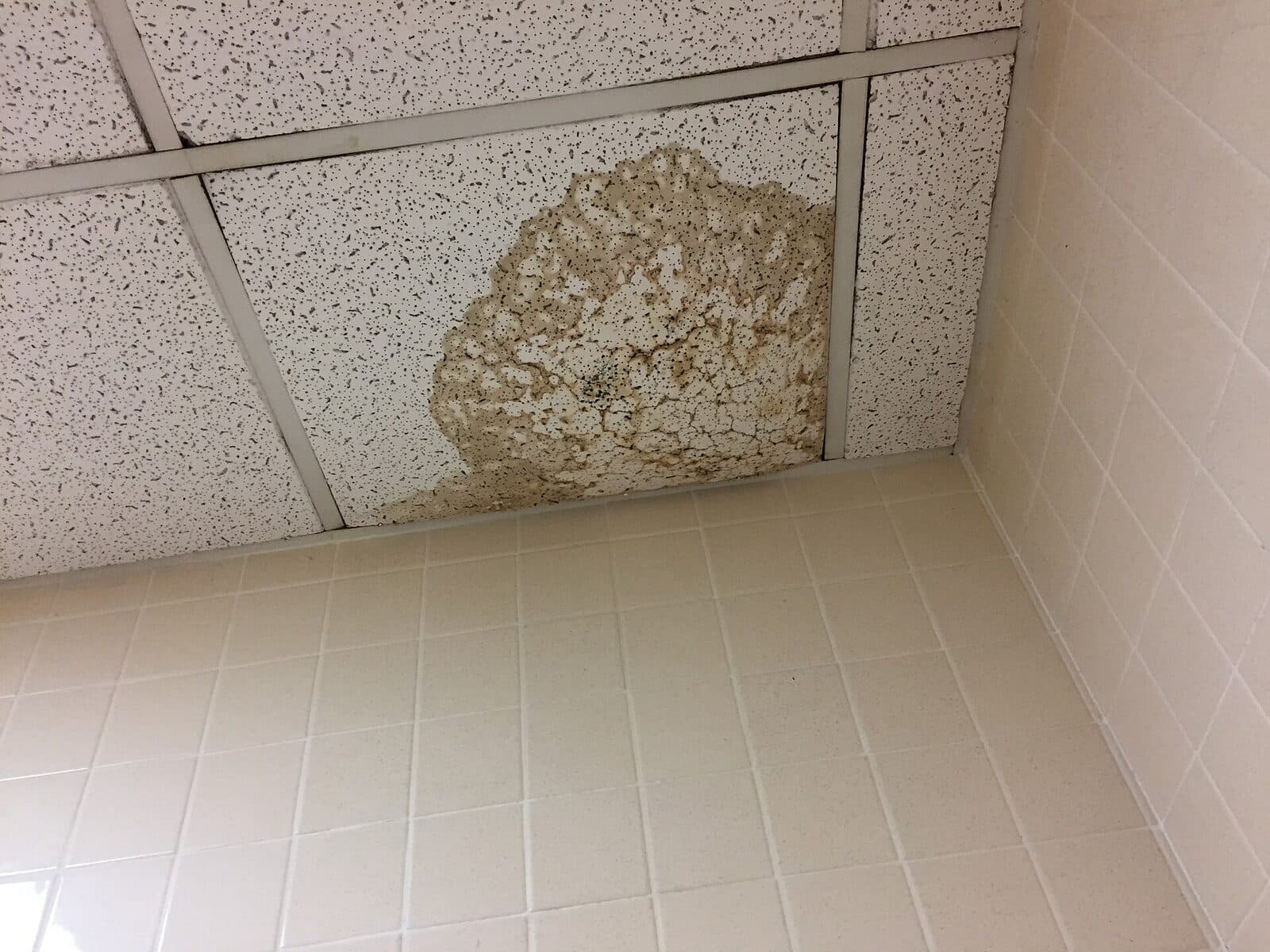
- Lifting paint, soft plaster or a stained ceiling: signals damage compatible with moisture, not necessarily its source. If it spreads, material falls or it is near wiring, seek help.
- Persistent odour or marks behind furniture: may indicate hidden moisture or limited airflow. Move furniture only if safe and inspect without scraping or opening the wall.
- A meter moving with taps and appliances off, or a visible leak: can support suspicion of a service leak. Shut off water only if you know how to do so safely, then contact a professional.
Simple tools: what they can and cannot tell you
Measurements help describe patterns; they do not automatically label a problem. Record the date, room, recent rain, heating and ventilation alongside each observation. This can make a technical visit more useful.
- Hygrometer and thermometer: record relative humidity and air temperature. A single reading changes with conditions and cannot tell you whether water is entering through a wall.
- Infrared thermometer: compares surface temperatures and can help locate cold areas. It cannot see inside a wall or measure its water content; distance, material and conditions affect the reading.
- Material moisture meter: can compare points or track change when used for the relevant material and according to instructions. Some electrical meters also respond to salts, metal or other conditions; one number cannot confirm rising damp or locate a leak.
- Rain and water-use log: note whether the mark changes after rain, showering, heating or time away. This is context, not standalone proof.
- Water meter: movement while all use is off may justify a leak check, although the meter, tanks and equipment need interpretation. Ask for a professional check if it persists.
Solutions: start with the likely cause
The response may combine an immediate step to limit damage with a lasting repair. If the mechanism is unclear, avoid costly or irreversible work until a competent person has checked possible sources. In Spain, the Technical Building Code, DB-HS 1 sets moisture-protection requirements for building design and construction; it is not a household test or a diagnosis of a particular home.
- If condensation seems likely: remove vapour where it is generated, use working ventilation or extractors, keep air inlets clear and allow air to move around cold surfaces. A reasonable indoor temperature may help avoid very cold surfaces; it does not replace ventilation or fix a thermal bridge. For windows, see our guide to window condensation.
- If outside water may be entering: note when it happens and arrange checks of the roof, façade, drains, joints and relevant junctions. The fix is to stop water at its source and let affected materials dry; painting the mark first will not do that.
- If there may be a leak: stop the water only if it is safe and contact a plumber or relevant service. After repair, assess and dry the materials and layers that got wet; a dry surface does not prove the inside is dry.
- If rising damp is proposed: request an independent inspection that considers the ground, levels, drainage, finishes, salts, building history and other sources. Do not treat injection, tanking or stripping finishes as automatic fixes based on a meter alone.
- If indoor moisture seems high: reduce vapour at source, use ventilation or extraction appropriate to the home and consider a dehumidifier as temporary support when needed. It does not replace repairing a leak, ingress or building defect.

Popular fixes that may fall short
- Damp-proof paint or another coat: may change the finish or delay a surface mark, but does not stop incoming water or correct vapour condensing. Find the cause before covering it.
- A dehumidifier for every mark: can reduce water vapour in some situations; it cannot repair a roof, pipe, drain or thermal bridge. Use it as support, not as a diagnosis.
- Always airing for a few minutes: may remove vapour in some climates and homes, but there is no single rule for every system or season. Keep vents clear and follow the building’s ventilation guidance.
- Calling every low mark rising damp: position is a clue, not proof. Other moisture sources and old salts can create similar signs or readings.
- Treating a dark mark as confirmed structural damp: appearance cannot identify a mould species or the moisture source. If it looks like mould, use safe-cleaning guidance; see our guide to mould on walls.
When should you request an inspection?
Seek help promptly for an active leak, water near sockets or wiring, a bulging ceiling, falling material, substantial deterioration or possible structural damage. Assessment is also sensible when ingress persists, a patch returns after repair, damp is extensive or hidden, the cause is unclear, or someone proposes expensive work. If you rent, report the problem in writing to the person managing the home; legal duties vary by country and contract. GOV.UK guidance describes duties for rented homes in England and is not universal law or Spanish regulation.
Damp, mould and health
Persistent damp can damage materials and create conditions in which mould may grow. The WHO and public-health agencies associate damp or mouldy indoor environments with respiratory effects in some people, although risk depends on exposure and the individual. If you see growth that may be mould, you do not need to identify its species to take the issue seriously: address the moisture source and follow safe-cleaning precautions. For household cleanup and when to seek help, read our guide to mould on walls and the CDC recommendations.
Frequently asked questions
- How can I tell if damp is condensation? Droplets on windows, cold corners or surfaces behind furniture may fit, especially when they vary with cold weather and moisture-producing activities. These are clues; more than one cause may be present.
- Is a mark low on a wall always rising damp? No. Leaks, ingress, splashes or damaged materials can also affect the base of a wall. The building needs to be assessed as a whole.
- Will a dehumidifier fix a damp wall? It can remove some airborne vapour, but it cannot repair rain entering or a pipe leak. Find the source first.
- Can I diagnose damp with a meter? It can help compare and monitor readings, but results depend on the material and do not identify the mechanism by themselves. An inspection may need several checks.
- When is it urgent? For an active leak, electrical risk, a distorted ceiling, unstable materials or extensive damage, keep away if needed and contact an appropriate professional or emergency service.
In summary
Damp has no single cause, and one mark may have several explanations. Observe its location and change over time, note rain and water use, and treat measurements as context rather than a verdict. Then address the source: ventilate and control vapour when condensation is involved; repair the envelope for ingress; fix leaks; and confirm any rising-damp hypothesis before work begins. When damage recurs, is extensive or is unsafe, a competent inspection can help you avoid paying for the wrong remedy.
Related guides
Home
Window condensation: why it happens and how to prevent it
Why condensation appears on windows, what causes it indoors and what you can do to reduce it without relying on simplistic fixes.
6 min read
Home
Mold on walls: why it appears and how to prevent it from returning
How to investigate the source of mold, clean a small area carefully, and reduce the chance that it will return.
8 min read
Home
How to Paint a Room Step by Step: Materials, Preparation and Common Mistakes
Plan materials, prepare walls, estimate paint quantity and apply it safely with a roller and brush. Includes drying times, common mistakes and a worked example.
11 min read