
Window condensation: why it happens and how to prevent it
Why condensation appears on windows, what causes it indoors and what you can do to reduce it without relying on simplistic fixes.
By TopicWeekPublished 6 min read

In this article
Finding droplets on the glass when you get up can make it seem as though the window is failing. Sometimes there is an issue with the glazing, frame or installation, but indoor condensation usually comes from a simpler combination: moisture in the home’s air and a surface that is cold enough. Understanding that combination helps you choose the right step instead of replacing windows blindly.
What window condensation is
Air contains water vapour even when we cannot see it. When moist air meets cold glass, the air next to the surface cools. If it reaches the dew point—the temperature at which vapour starts turning into liquid water—droplets or mist appear. The glass does not have to be icy: its room-side surface only needs to be colder than that point.
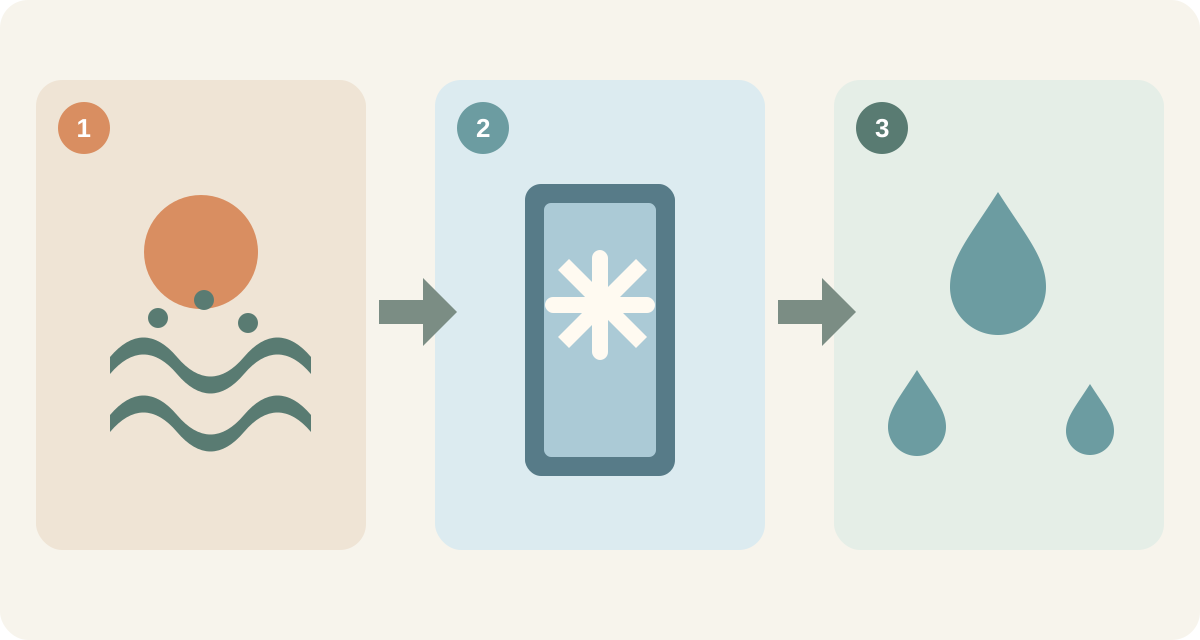
Why it appears and why it is visible in the morning
Two factors work together: how much moisture is indoors and how cold the surface is. Showers, cooking, drying clothes indoors and breathing add water vapour. If it is not removed, it builds up. In winter, glass is often colder; a closed curtain, a crowded sill or little air movement can also leave the area beside the pane cooler.
Several hours without ventilation, moisture from people sleeping and the cooling of the outside of the glass coincide overnight. That is why droplets are often most visible at dawn. It does not mean the water formed only then; it may have been building up for hours. If sunlight or heating makes it disappear, conditions have changed, but water that has wet the frame or sill still needs to be dried.
- A hot shower or cooking without extraction releases water vapour quickly.
- Laundry drying indoors and dryers without an outdoor vent can add moisture for hours.
- A cold room with the door shut and little air exchange can retain more moisture.
- Heavy curtains or furniture against an external wall reduce airflow beside cold surfaces.
Why it can happen even with new windows
Double glazing usually keeps the room-side pane warmer than single glazing, but it cannot remove water vapour from a home. New windows also tend to seal more tightly: if their installation reduces accidental air leakage, the existing ventilation may no longer be enough. The GOV.UK ventilation guide says that renovations should not make home ventilation worse and explains when background vents are needed.
The location of the water matters too. Condensation on the outside can occur when the outer pane becomes very cold and does not usually indicate a fault. Moisture between the panes of a sealed unit is different: it may mean the seal has failed and is worth having checked. If moisture appears inside only at one window, corner or frame, also check the local temperature, seals, installation and thermal bridges. Spain’s building code treats surface and interstitial condensation and thermal bridges separately.
How to tell a one-off episode from a problem
A cold morning with a fine film at the edge of the glass is not enough to diagnose a home. Watch the pattern over several days: how long it takes to dry, whether it happens on every window or just one, and whether there is moisture on walls, corners, wardrobes or behind furniture. If you also see persistent marks on walls or ceilings, our guide to identifying damp in the home explains how to compare condensation, water ingress and leaks.
- It may be linked to moisture or ventilation if it appears on several windows after showers, cooking or nights with the room closed, and improves when vapour is removed.
- The window or building fabric may need checking if it is always concentrated at one corner, seal or frame, there are draughts, the surface is noticeably colder, or it persists after moisture sources are reduced and ventilation improves.
- Act promptly if there is mould or damage: recurring marks, deteriorating paint, a persistent musty smell or water reaching timber and walls call for the cause to be found and fixed, not just the glass wiped dry. If mould is already present, see our guide to its causes and safe cleanup.
What to do to reduce condensation
Start with simple steps for a week or two and see whether the pattern changes. The aim is not to leave windows open all the time or overheat the home, but to remove vapour where it is produced and allow air exchange that suits the climate, ventilation system and building.
- Ventilate briefly and effectively when practical, especially after showering or cooking. Do not cover vents or trickle ventilators, and follow the instructions for your ventilation system.
- Run the bathroom extractor or a hood that vents outdoors during the activity and for a while afterwards. A recirculating filter may reduce smells and grease, but it does not necessarily remove vapour outdoors.
- Reduce moisture at source: cover pans, shut the bathroom door while showering and, if you dry laundry indoors, use a ventilated space and avoid blocking radiators.
- Keep indoor temperature reasonably steady if you can. Heating does not remove vapour, but it can raise surface temperatures; avoid relying only on short bursts of heat.
- Let air circulate: move furniture away from external walls, open curtains that fully cover the pane, and do not block vents or radiators below the window.
- Use a hygrometer to spot trends, not as a diagnosis on its own. A dehumidifier can help if moisture persists, but it will not fix a leak, a broken extractor or a thermal bridge.

What helps only partly
- Wiping the glass stops water sitting on the frame or sill, but does not reduce moisture in the air. It is useful maintenance, not a complete fix.
- Anti-fog products can change how water forms on glass, but they do not remove vapour from the room or correct a cold surface.
- Replacing windows without a diagnosis may warm the glass, but if trapped moisture or insufficient ventilation is the cause, the problem may continue or move to another surface.
- Turning the heating up high may reduce visible condensation by warming surfaces, but it uses more energy and does not replace moisture extraction.
Frequently asked questions
- Is condensation on the inside normal? It can happen on cold mornings, especially when the pane is cold and moisture built up overnight. If it is heavy, daily or wets the frame, address moisture and check ventilation.
- Does it mean my home is too humid? It means that, at that place and time, the air and glass temperature allow condensation. It does not measure humidity throughout the home; a hygrometer and patterns across rooms give more context.
- Does a dehumidifier really help? It can remove some vapour and help when ventilation alone is not enough or a source cannot be removed immediately. Choose one for the room and do not use it to hide a leak or building defect.
- Are the windows to blame? Not necessarily. Cold glass can contribute, but moisture, ventilation, room use, seals and the connection between window and wall all matter.
- When should I be concerned? If water appears between panes, returns in large amounts every day, mould appears, there is a persistent smell, paint is damaged or moisture is localised around a frame or wall, arrange a proper inspection.
The practical takeaway
Condensation forms when indoor moisture meets a cold surface; it does not automatically condemn the window. First note where it appears, reduce vapour at source, ventilate appropriately and dry any standing water. If it is localised, persistent or accompanied by mould or damage, ask someone qualified to check the glazing, frame, installation and building fabric. Explore more practical home guides.
Related guides

Home
How to Paint a Room Step by Step: Materials, Preparation and Common Mistakes
Plan materials, prepare walls, estimate paint quantity and apply it safely with a roller and brush. Includes drying times, common mistakes and a worked example.
11 min read

Home
Are Solar Panels Worth It for Your Home? Costs, Savings and Payback
What a home solar PV system costs, how much electricity it produces, how much of it you actually use, what happens to the surplus and how to work out payback, with three worked examples and the cases where it does not pay off.
27 min read

Home
Christmas Decorating Ideas for Small Spaces: Practical Ways to Save Room
How to decorate a small flat, studio or single room for Christmas without losing space: compact and wall trees, vertical decor, renter-friendly ideas and decorations that store easily.
15 min read