
How to choose your shoe size online: measure your feet and read size charts
Measure both feet, understand EU, UK and US labels, and use the right brand chart to make a more informed online shoe purchase.
By TopicWeekPublished 7 min read

In this article
A shoe size is a useful starting point, not a promise that a shoe will fit. Labels can differ between systems, brands and models, while your foot has length, width and shape. For an online purchase, measure both feet, then read the size chart for the exact brand and, when available, the model.
Measure both feet at home
Use a large sheet of paper on a hard, level floor, a wall, a pencil and a ruler. Wear the socks you expect to use with the shoes if they are relevant to the style. Stand naturally with your heel lightly against the wall and your weight distributed on the foot. Ask someone to help if that makes it easier to keep your stance and mark the foot.
- Place the paper against the wall and stand on it with the heel touching the wall; avoid forcing the foot or leaning.
- Keep the pencil upright and mark the point in front of the longest toe. It may not be the big toe.
- Measure in a straight line from the wall-side heel reference to the toe mark. Record centimetres or millimetres without mixing units.
- Repeat for the other foot. Note the length and, if useful, the width across the broadest part of the forefoot. Follow the manufacturer’s method if you record width: a flat breadth and a circumference are different measurements. This home method is a practical estimate, not a professional fitting measurement. If the chart for the exact model gives its own measuring instructions or landmarks, follow those when applying that chart.
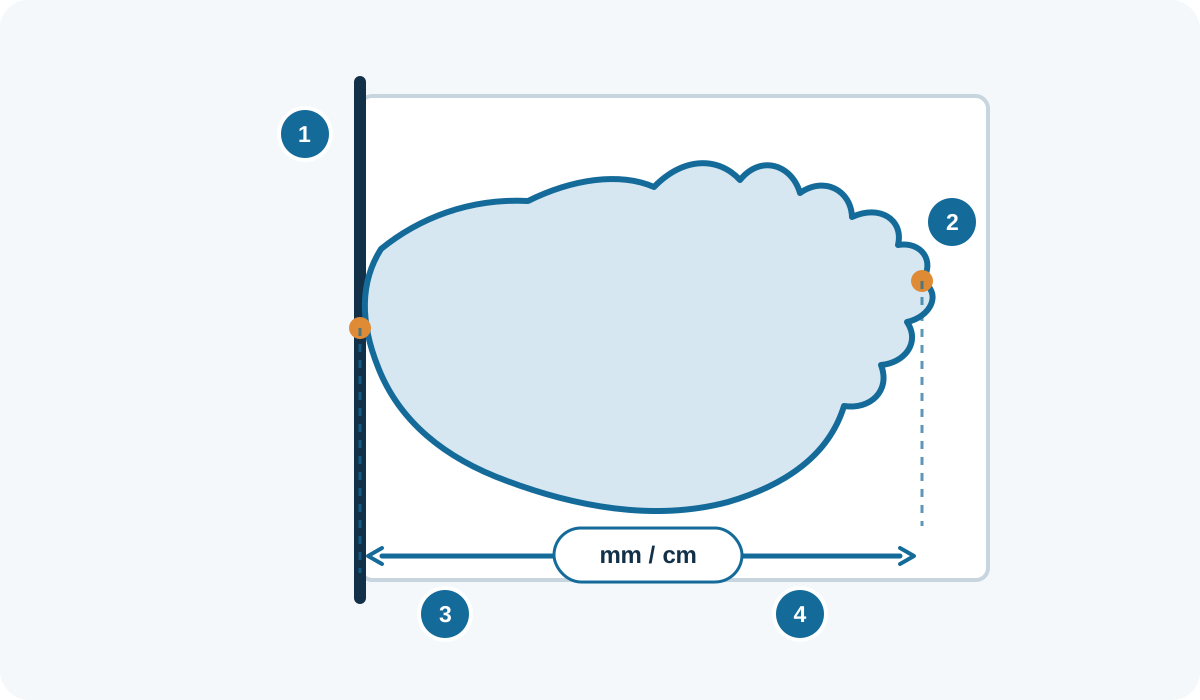
For example, a hypothetical measurement might be 26.1 cm on the left and 26.4 cm on the right. The difference is 0.3 cm, or 3 mm. Record both values; do not convert 26.4 cm directly to one universal EU, UK or US size. A manufacturer may recommend using the longer foot in its own chart, but width, shape and the fit of the other foot still matter.
Foot length is not the same as shoe length
Foot length is an anatomical measurement from the back of the heel to the longest toe. Foot width is a separate measurement, commonly taken across the broadest forefoot area using a defined method. A commercial size is a label. The usable interior space, insole length, outsole length and last are different things: the last is the three-dimensional form around which a shoe is made, and it influences toe shape, instep and overall volume. One cannot infer a shoe’s internal length from its EU label alone.
EU, UK, US and centimetre labels
EU, UK and US are commercial sizing systems with different histories and conventions. US charts may separate men’s, women’s and children’s categories; a number in one category should not be assumed to mean the same fit or foot length in another. Mondopoint is an ISO method of designating footwear size using defined foot measurements. The public abstract does not specify which measurements appear in each designation, so do not assume a label always encodes width. ISO 9407:2019 is the current published edition and was confirmed in 2026, but access to its full text is restricted. ISO 19407:2023 publishes conversion tables and itself describes them as guidelines because systems developed and have been interpreted differently. Neither fact makes every retail label an exact conversion.
At a broad level, EU/continental sizing is commonly associated with Paris-point steps, while UK and US use distinct historical scales and category conventions. Retail charts may show converted labels, but a system name is a size designation, not the shoe’s interior length. A conversion reference can help compare labels; it cannot guarantee identical fit across brands or models.
Pay attention to what a chart calls “cm” or “JP”. It may mean a recommended foot length, or it may be a brand’s size designation. Nike’s men’s footwear guide explicitly cautions that the CM size printed on its shoe box or label differs from foot length in centimetres. Adidas and New Balance publish their own category and measurement columns. These are examples of those brands’ charts, not a conversion rule for other makers.
For reference, compare the official Nike men’s footwear size guide, adidas shoe chart and New Balance size guide with the guide for the exact product you are considering.
Read the chart for the exact model
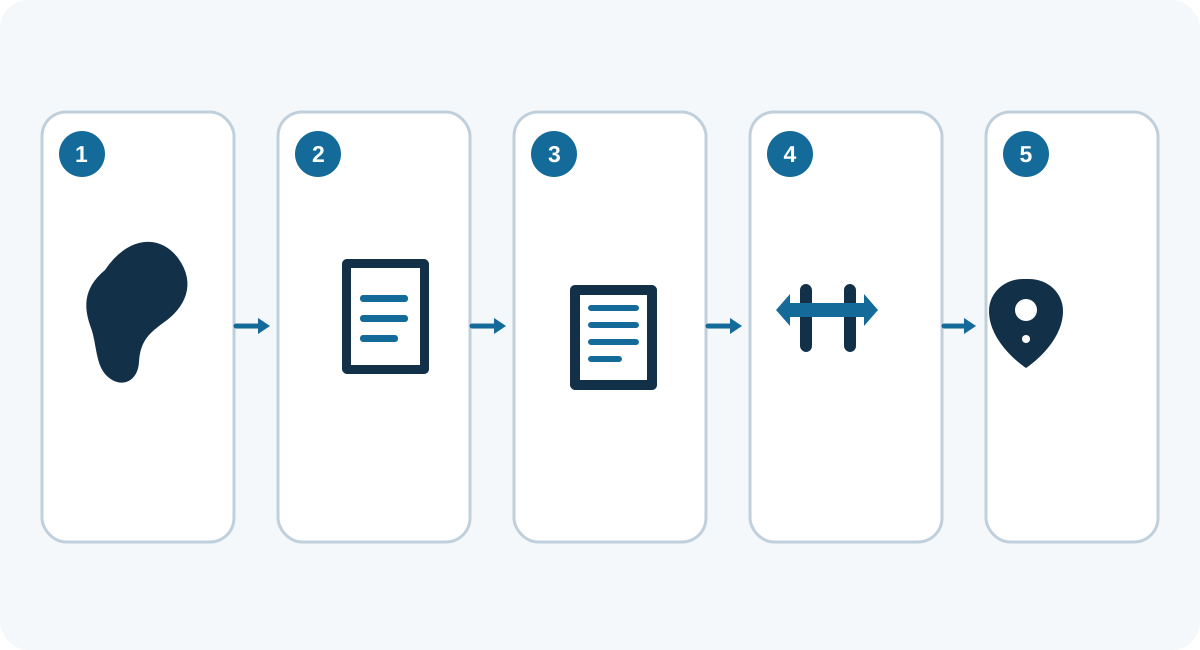
- Find the exact model and its official brand chart; a general chart may differ by line or category.
- Check whether the chart is for the relevant adult category and whether it describes foot length, a size label or another measurement.
- Compare both foot measurements with the manufacturer’s guidance. Follow model-specific notes, including any width choices.
- Consider width, toe shape, instep, the socks and the activity. Do not treat an insole measurement as interchangeable with foot length.
- Before paying, read the shop’s exchange and return terms, including condition rules, costs and cross-border arrangements.
Width, shape and the type of shoe matter
If the length looks right but the forefoot feels squeezed, simply choosing a longer shoe may leave extra room at the front without solving the width issue. Check whether the maker offers widths or a different last. Letters such as B, D, E or EE do not have one universal meaning across all regions, categories and manufacturers. A pointed formal shoe, a running shoe, a boot and a sandal can fit differently even when the label shows the same number. Use the maker’s model-specific advice rather than a fixed allowance of space that is claimed to work for every shoe.

Try the shoes on both feet when they arrive, following the seller’s conditions for testing. Check that toes are not painfully compressed, the heel is not slipping uncomfortably, and there are no immediate pressure points. Walk carefully on a clean, appropriate surface if the return terms allow it. An initial try-on cannot guarantee long-term comfort, and a shoe that causes pain should not be worn in the hope that it will inevitably stretch.
Three hypothetical examples
- Different foot lengths: one person measures 26.1 cm and 26.4 cm. They keep both measurements, check the chart’s definition and model notes, then assess width and fit on both feet rather than assuming the longer measurement solves everything.
- A new brand: someone’s familiar size in one trainer is only a clue. For another model they check the official chart, category, measurement column, width options and return policy.
- Length fits, width does not: a buyer’s measurement falls within a chart range but the shoe presses at the sides. They check for a wider option or a differently shaped model instead of automatically increasing length.
A checklist before ordering
- Have I measured both feet on a firm surface and recorded the units correctly?
- Have I checked width if the model offers width options or I know it matters for this fit?
- Is this the chart for the exact model and category, and do I understand what its centimetre column represents?
- Have I considered socks, shoe type, toe shape and instep, as well as length?
- Have I checked exchanges, return deadlines, product-condition rules and possible fees?
- Am I choosing from model information rather than relying only on a generic EU–UK–US conversion?
Common questions
Are centimetres more reliable than converting EU to US? A foot measurement gives a useful reference, but you still need to know whether the brand’s centimetre column means foot length or its own label. Use the model’s chart and notes.
What if I am between sizes? Follow the manufacturer’s advice for that model, and consider width, socks and intended activity. There is no universal rule to size up or down.
Does a shoe insole show the size I need? Not necessarily. Insole shape and length are not the same measure as foot length or the size designation. Check what the seller measured.
Can I always return online shoes? No universal return period or free-return rule applies everywhere. Check the retailer’s terms and the consumer rules that apply to your purchase before ordering.
Measuring both feet and checking the exact chart can narrow uncertainty, but it cannot reproduce trying on a particular shoe. Treat size labels as a starting point, then use model details, width, shape and clear return terms to make a considered choice.
Related guides

Lifestyle
How to store perfume properly and help prevent changes
Learn where to store perfume, what can affect a fragrance, and how to read PAO without assuming a universal expiry date.
6 min read

Lifestyle
How to reduce phone distractions without giving up your phone
Reduce unwanted phone interruptions with practical notification, focus and usage settings while keeping the tools and contacts you need.
8 min read
Lifestyle
Reusable water bottles: stainless steel, glass or plastic—which should you choose?
Compare reusable bottle materials by weight, design, cleaning, temperature limits and food-contact information to choose one for your needs.
9 min read