
The most exclusive areas to live in Mallorca
Son Vida, the Calvià coast, Port d'Andratx, Palma's old town, Deià, the Sóller valley and the south-east: what each of Mallorca's high-end residential areas offers, its drawbacks and what the price data say.
By TopicWeekPublished 9 min read
In this article
Mallorca doesn't have a single luxury housing market but several very different ones. A residential estate in the hills above Palma, a marina on the south-west coast, a stone village in the Serra de Tramuntana and an old town of grand townhouses stand for different ways of living, even though they all appear at the top of the market.
This guide looks at the areas most often associated with high-end housing on the island and explains what each one offers for living, not just for a holiday: setting, sea access, distance to Palma, services and drawbacks. If you're interested in specific examples, another article looks at some of the most expensive homes in Mallorca currently for sale. And if you'd rather discover these areas through a special stay, see our selection of luxury hotels in Mallorca.
What we mean by an exclusive area in Mallorca
“Exclusive” isn't an official classification. In this guide we use the word for areas that combine several of these features:
- High-end housing and limited supply, regularly present in the most expensive segment of the market.
- Location: sea views or sea access, protected landscape or proximity to Palma.
- Privacy: low density, large plots or houses with gardens.
- High-end amenities: marinas, golf courses, restaurants and shops.
- A reputation in the luxury housing market, according to reports by specialist agencies.
No area has all of these features, and each one involves trade-offs. That's why we don't rank them: they're ordered geographically, from Palma westwards, then the mountains and the south-east. Nor do we talk about who lives there: what we describe is the place, not its residents.
Son Vida
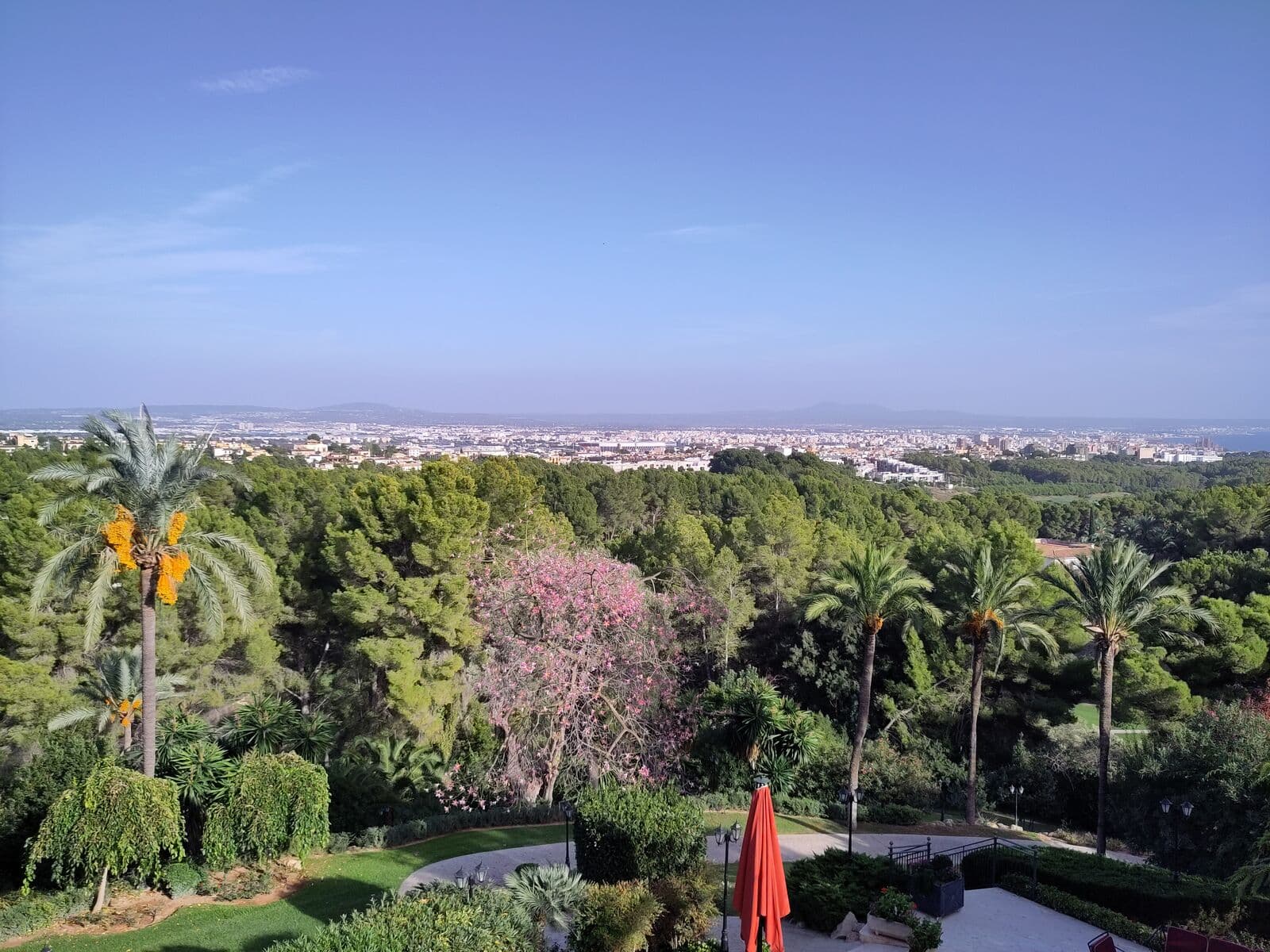
Son Vida is a residential estate in the hills north-west of Palma, within the city's own municipality, about 10–15 minutes' drive from the centre. It combines houses with gardens, views over the Bay of Palma and golf courses nearby. High-end listings include villas on plots of several thousand square metres.
Its main advantage is proximity: you can live in a quiet residential setting with the city's services close by and the airport less than half an hour away by car. The trade-off is that it's a residential estate, not a village: although an EMT city bus route reaches it, for almost everything day to day you have to go down into the city, usually by car. Nor does it have direct sea access.
Bendinat, Portals Nous and Costa d'en Blanes
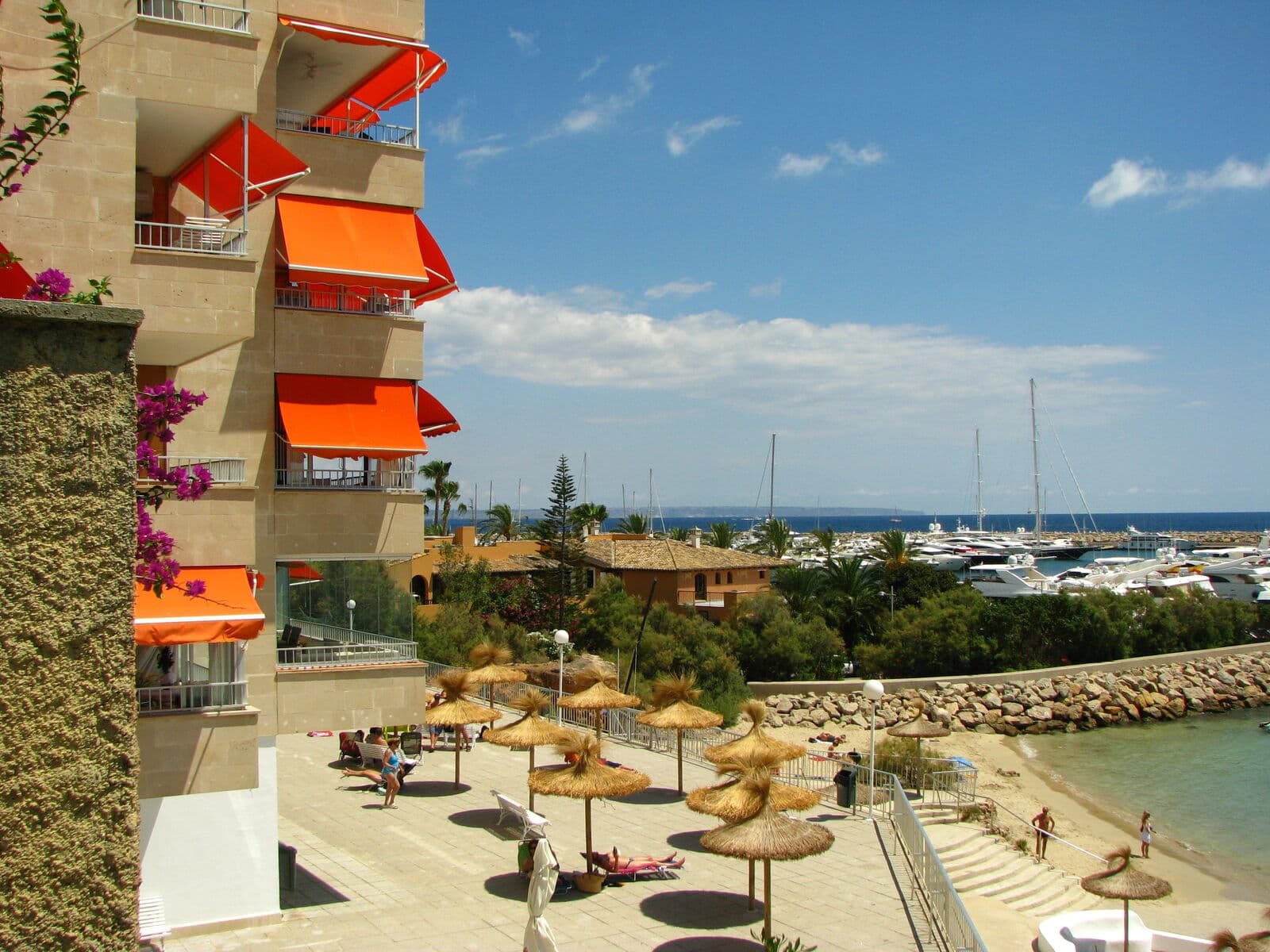
In the municipality of Calvià, west of Palma, the coastal strip of Bendinat, Portals Nous and Costa d'en Blanes brings together residential estates with sea views, small coves and the Puerto Portals marina, about 15–20 minutes' drive from Palma. According to the report on Mallorca's residential market that the agency Knight Frank published at the end of 2025, the south-west, from Port d'Andratx to Bendinat and Portals, remains one of the island's benchmark luxury areas, with sea-view villas above €15 million. Another agency, Lucas Fox, also describes the south-west as one of the island's most sought-after areas, for its sea views, privacy and proximity to Palma.
Its appeal lies in combining the sea, a marina, restaurants and shops with quick access to Palma by motorway. On the downside, the Calvià coast is very touristy in summer, traffic towards Palma is noticeable in high season, and the municipality also includes mass-tourism resorts, so the experience varies a lot from one estate to another.
Port d'Andratx
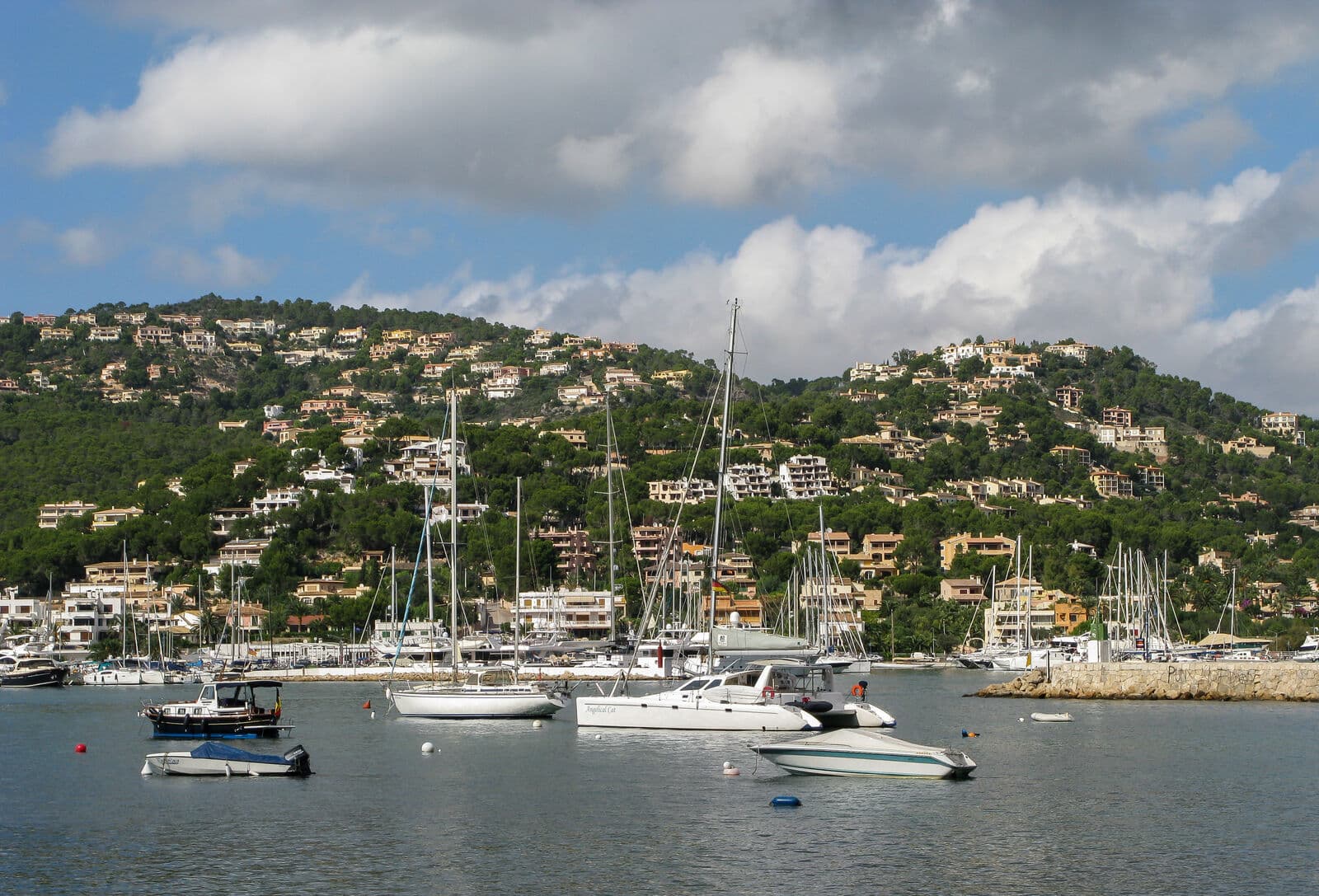
Port d'Andratx, at the island's south-western tip, is a natural harbour surrounded by hills where villas are stepped above the water, with views of the harbour and the sea. The port is owned by the regional government and run by Ports de les Illes Balears. From central Palma it takes about 30–40 minutes by car.
It's one of the areas that comes up most often in the top segment of the market, and villas on the hillsides with open sea views are its most characteristic type of home. On the other hand, it's further from Palma and the airport than the Calvià coast, harbour life is much busier in summer than in winter and the municipality is small: Andratx had 12,195 inhabitants in 2025, according to INE, Spain's National Statistics Institute.
Palma's old town
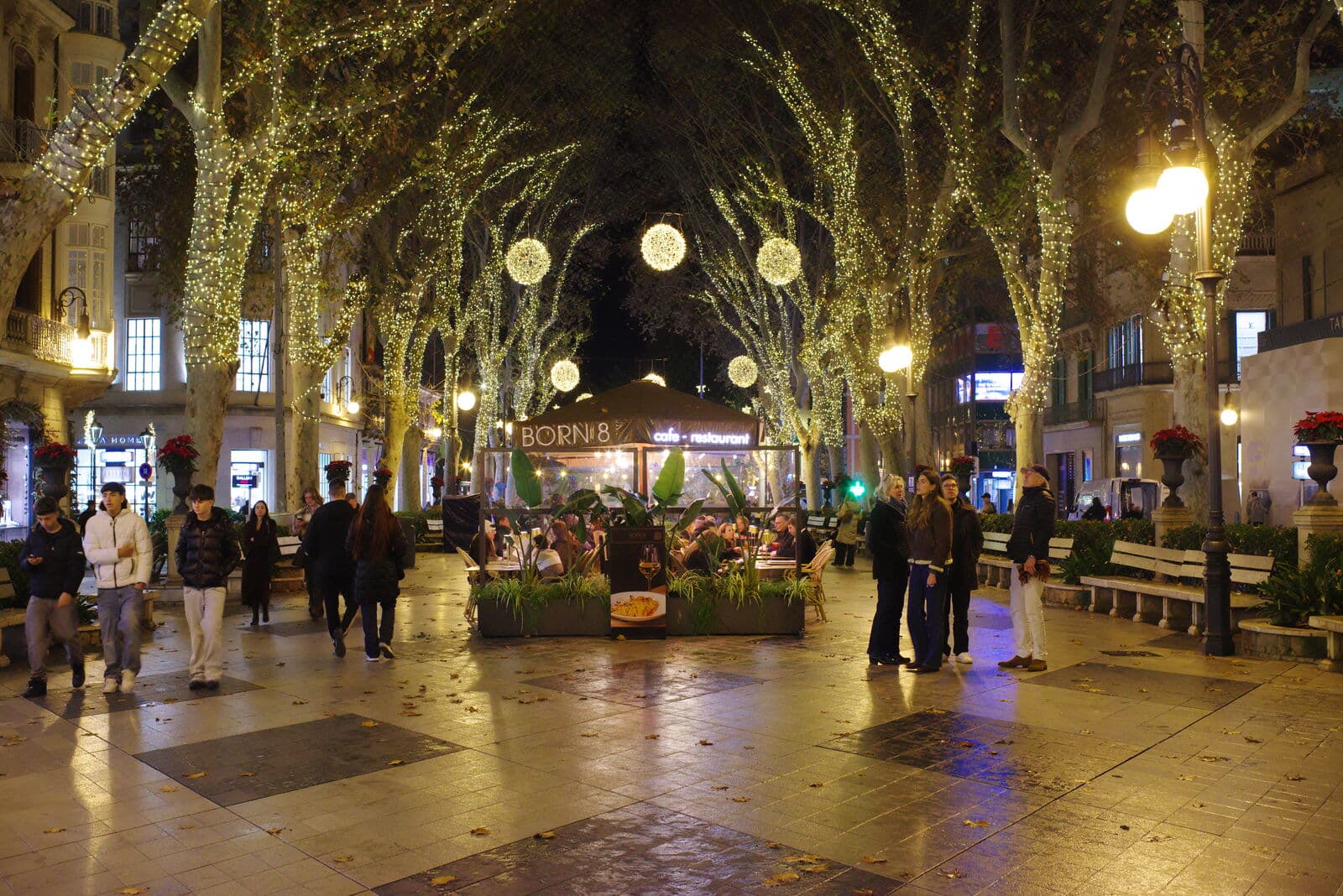
For those who prefer the city, Palma's old town offers another kind of high-end home: grand townhouses, palaces with courtyards and restored flats in historic buildings, on streets you can walk between the cathedral, the Born and the squares of the centre. It's the area on this list with the most life all year round: shops, restaurants, culture and services a few minutes' walk away.
The trade-offs are those of any historic centre: less outdoor space than in a villa, narrow streets, difficult parking and heavy tourist traffic on the main streets. In addition, central Palma lies within the city's low-emission zone, which restricts driving according to the vehicle's environmental label.
Deià
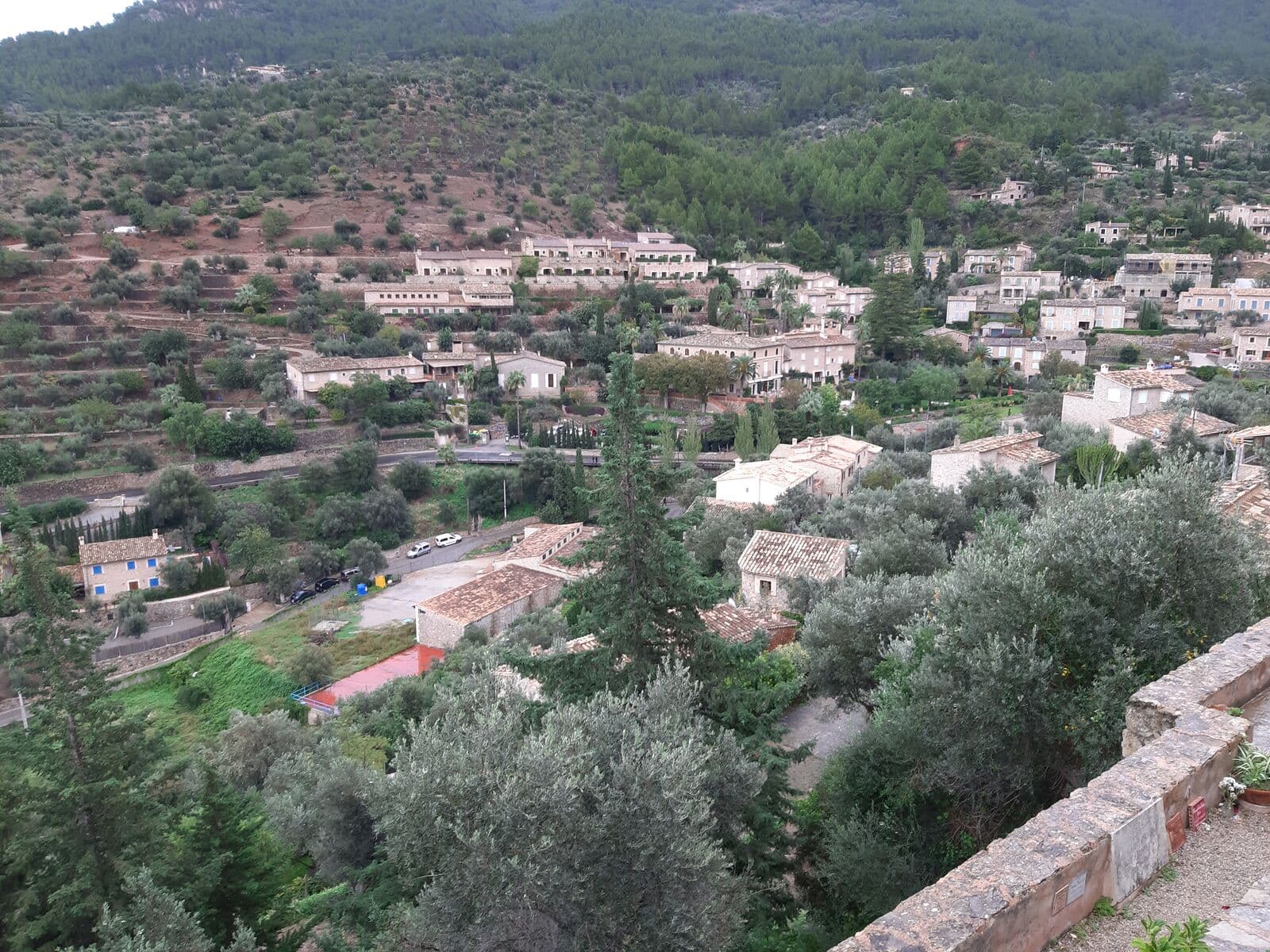
Deià is a village of stone houses stepped up the slopes of the Serra de Tramuntana, a cultural landscape on UNESCO's World Heritage List. The municipality also lies within the Serra de Tramuntana Natural Area, whose management plan regulates, zone by zone, which uses and buildings are allowed. It's a very small village, with 741 inhabitants in 2025 according to INE, and has been linked to writers and artists for decades: Robert Graves lived here, and his house is now a museum.
It draws people for its landscape, tranquillity and traditional architecture; Knight Frank notes that the north-west, with Deià, Sóller and Valldemossa, remains in high demand. On the other hand, Deià is about 40 minutes from Palma along a mountain road, has few services for daily life and gets many visitors in high season. In addition, according to the same agency, available supply in the top segment is very scarce.
The Sóller valley
The Sóller valley, also in the Serra de Tramuntana and within the natural area, combines a town that's lively all year round, with 13,882 inhabitants in 2025 according to INE, with a port on an almost enclosed bay and country houses among citrus orchards and olive groves. The Sóller tunnel links it with Palma in about 30 minutes by car, and a tram connects the town with the port.
Compared with Deià, it offers more services and shops all year round without leaving the mountains. According to Knight Frank, Deià and Sóller saw small price rises over the past year in the top segment. On the downside, tourist numbers are high in season and the link with Palma depends largely on the tunnel.
Santanyí and the south-east coast
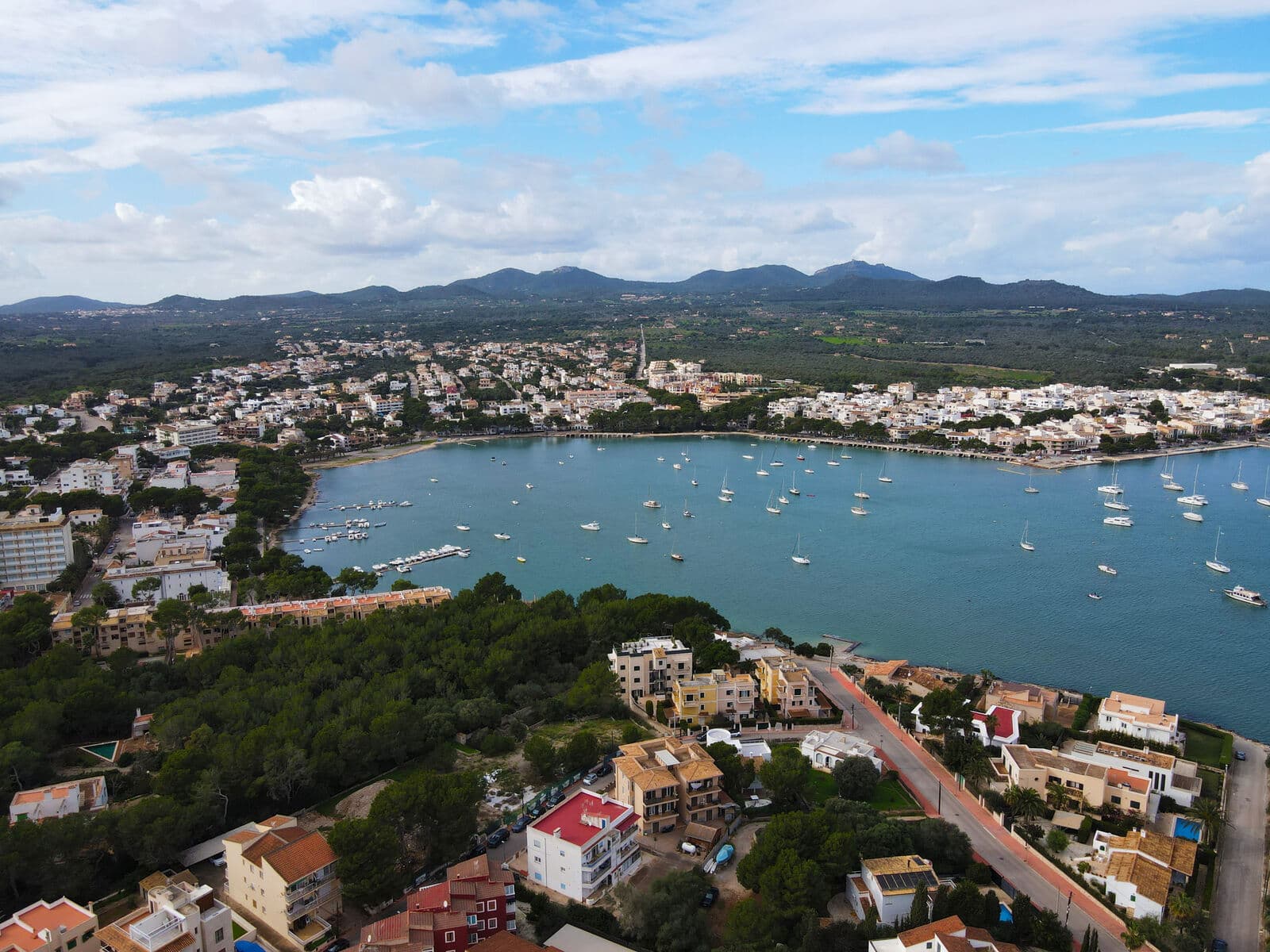
The south-east, with the municipality of Santanyí and ports such as Porto Petro and Portocolom, the latter in Felanitx, offers a different profile: stone villages, clear-water coves, the Mondragó Natural Park and ports run by Ports de les Illes Balears. Santanyí and Felanitx had 13,067 and 19,146 inhabitants in 2025, according to INE.
Knight Frank describes the east coast as the big story of 2025 in the top segment, with more sales, and puts high-spec villas of around 500 square metres typically between €6 million and €6.5 million, roughly half the price in the south-west. On the other hand, the drive to Palma and the airport is around 45–60 minutes, and much of the activity is seasonal.
Other areas in the top segment
Other areas regularly appear among the island's most expensive listings, although we don't cover them in detail here:
- Santa Ponça, Nova Santa Ponça and Camp de Mar, in the south-west, with golf courses and residential estates with sea views.
- Pollença and Formentor, in the north, where the most expensive home in our selection of luxury homes for sale is listed.
- Valldemossa, in the Serra de Tramuntana, which Knight Frank mentions alongside Deià and Sóller.
Coast, mountains or close to Palma: which area suits which lifestyle
Without scoring the areas, these are the features that set them apart most:
- Close to Palma (about 10–20 minutes by car): Son Vida and the Calvià coast (Bendinat, Portals Nous, Costa d'en Blanes). The old town is in the city itself.
- Marina next door: Puerto Portals, Port d'Andratx, Port de Sóller, Porto Petro and Portocolom.
- Sea and views: the Calvià coast, Port d'Andratx and the south-east. Son Vida looks over the bay but has no direct sea access.
- Mountains and protected landscape: Deià and the Sóller valley, in the Serra de Tramuntana.
- Life all year round: Palma's old town and, to a lesser extent, Sóller. Port d'Andratx, Deià and the south-east change a lot between summer and winter.
- More reliance on the car: Son Vida, the coastal estates and houses outside the villages. Palma's old town is the exception.
How much does it cost to live in Mallorca's most exclusive areas?
There's no official price figure for individual estates. Public statistics go down to municipality level at most, and only for the largest ones. According to Spain's Ministry of Housing, in the second quarter of 2026 Calvià had an average appraised value for open-market housing of about €5,500 per m², the second highest among Spanish municipalities with more than 25,000 inhabitants, and Palma about €3,800 per m². These are averages for the whole municipality, which in Calvià also includes tourist areas very different from Bendinat or Portals, and they come from appraisals, not sale prices.
For the Balearic Islands as a whole, Spain's Association of Property Registrars put the average price of registered home sales in the second quarter of 2026 at €4,311 per m², the second highest of Spain's autonomous communities, behind only Madrid. Andratx, Deià, Sóller, Santanyí and Felanitx don't appear in the Ministry's municipal statistics, which only include municipalities with more than 25,000 inhabitants, so there's no comparable official figure for them.
For the luxury segment, the reference points are agency reports, which reflect each agency's own activity rather than the market as a whole. According to Knight Frank, at the end of 2025 high-end sales in Mallorca were concentrated between €5 million and €8 million, and sea-view villas in the south-west were above €15 million. The most expensive specific examples, with their asking prices, are in our article on the most expensive homes in Mallorca.
Frequently asked questions
Which is the most expensive area in Mallorca?
There are no official figures by area that would settle it. Agency reports and listings place the south-west (Port d'Andratx, Bendinat, Portals) and Son Vida at the top end of the market, and, among Mallorca's municipalities with more than 25,000 inhabitants, Calvià has the highest average appraised value according to the Ministry of Housing.
Which luxury area is closest to Palma?
Son Vida, within Palma's own municipality, and the Calvià coast (Bendinat, Portals Nous and Costa d'en Blanes), about 15–20 minutes by car. If you'd rather live in the city itself, the old town.
Which areas have the most life all year round?
Palma's old town and, outside the city, towns with a stable population such as Sóller. Harbour and coastal areas such as Port d'Andratx or the south-east are much quieter in winter.
Are there official house price figures for Son Vida or Port d'Andratx?
Not at that level. The Ministry of Housing publishes appraised values by municipality, only for those with more than 25,000 inhabitants, and the registrars by autonomous community. Figures for individual estates that circulate usually come from portals or agencies and are asking prices.
Related guides
Lifestyle
Inside some of the most expensive homes in Mallorca
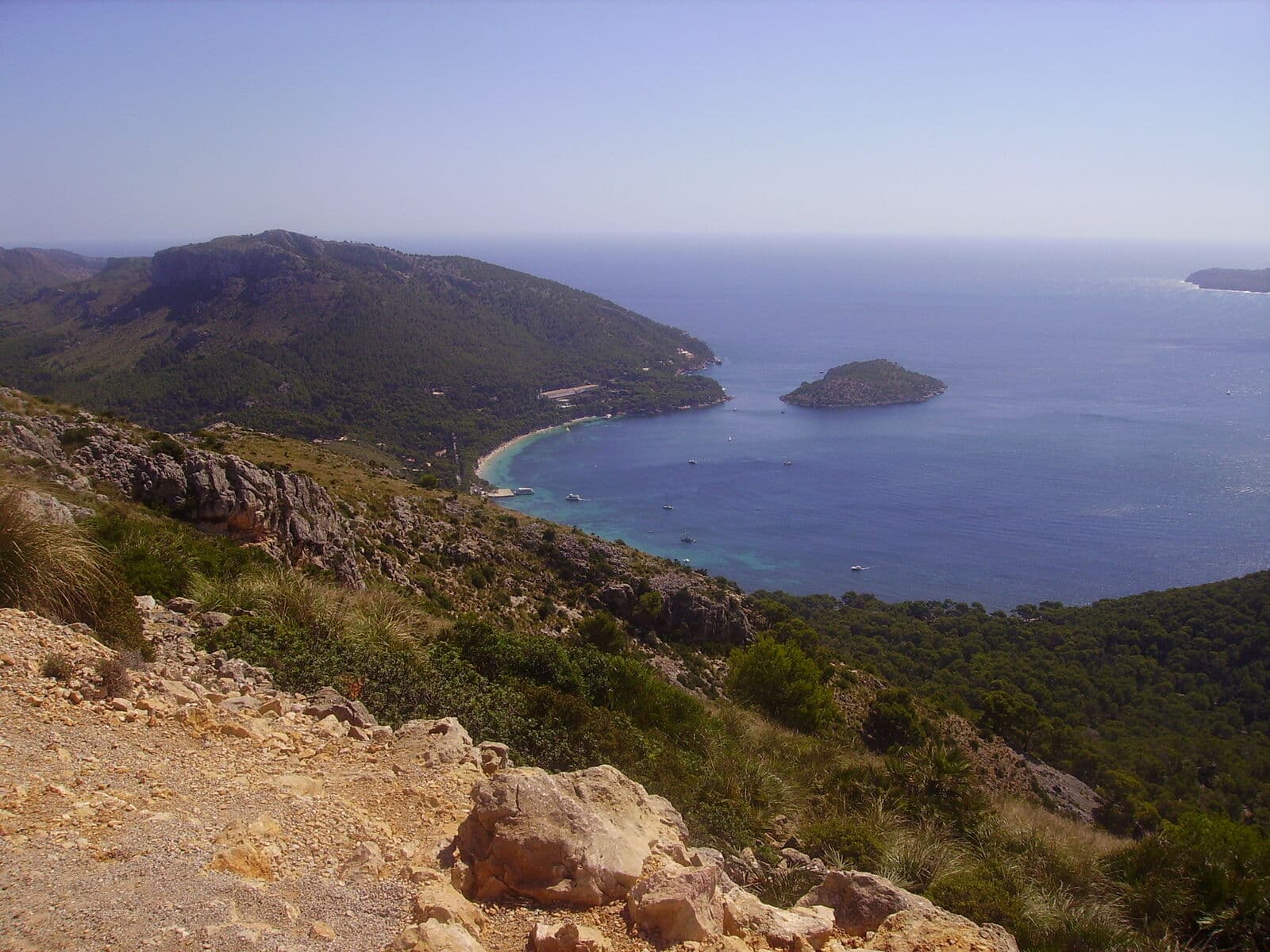
From an estate with direct sea access in Formentor to contemporary villas in Son Vida: seven homes listed at between €25 million and €46 million, and what explains their prices.
8 min read

Lifestyle
How to store perfume properly and help prevent changes
Learn where to store perfume, what can affect a fragrance, and how to read PAO without assuming a universal expiry date.
6 min read
Lifestyle
How to reduce phone distractions without giving up your phone
Reduce unwanted phone interruptions with practical notification, focus and usage settings while keeping the tools and contacts you need.
8 min read