
Emergency fund: how much to save, where to keep it and how to start
Learn how to size an emergency fund around essential expenses, build it gradually and choose a place for cash you may need quickly.
By TopicWeekPublished 9 min read

In this article
An emergency fund is money set aside for an unexpected, necessary expense or a temporary loss of income. A useful target depends on essential monthly costs, income stability, dependants and other support available; there is no amount that suits everyone. A common starting reference is three to six months of expenses, but it is a guide, not a rule. If that feels out of reach, begin with a smaller amount you can manage.
What an emergency fund is for
Keep this reserve separate in your plan from money for everyday bills, planned purchases, holidays or longer-term investing. It can help pay for a necessary repair, an uncovered health cost, an essential appliance breakdown or a period without income. It cannot prevent every financial shock or replace insurance, public support or a plan for known annual bills.
A cost can be irregular without being an emergency. If you know a yearly insurance premium, school cost or vehicle inspection is due, make a separate provision when possible. A birthday gift may be unexpected in the calendar but is usually a planned spending goal. Finanzas para Todos uses the practical tests of being unexpected, necessary and urgent; context still matters.
How much should you save?
The Banco de España’s financial education material uses three to six months of expenses as a reference and says the amount depends on personal circumstances, including dependants and spending. The U.S. Consumer Financial Protection Bureau (CFPB) does not set one universal sum: it advises considering the unexpected costs you have faced and says even a small reserve may help when saving is difficult. These are educational guides, not evidence that every household needs the same number of months (Banco de España; CFPB).
Use essential expenses rather than gross salary as the base. Include housing, basic utilities, food, necessary transport, health costs, insurance and required minimum debt payments. Decide how to treat costs that are essential but not monthly; known bills may be better handled in a separate sinking fund. Exclude or reduce discretionary spending only if it is realistic to pause it during a shock.
- A lower initial target may be workable if income is stable, another household income is reliable or there are other liquid resources.
- A larger margin may be useful if income is variable, finding replacement work may take time, you support dependants or major essential costs are difficult to reduce.
- Health, housing, insurance and local safety-net arrangements can change what a household needs. Review the target when those circumstances change.
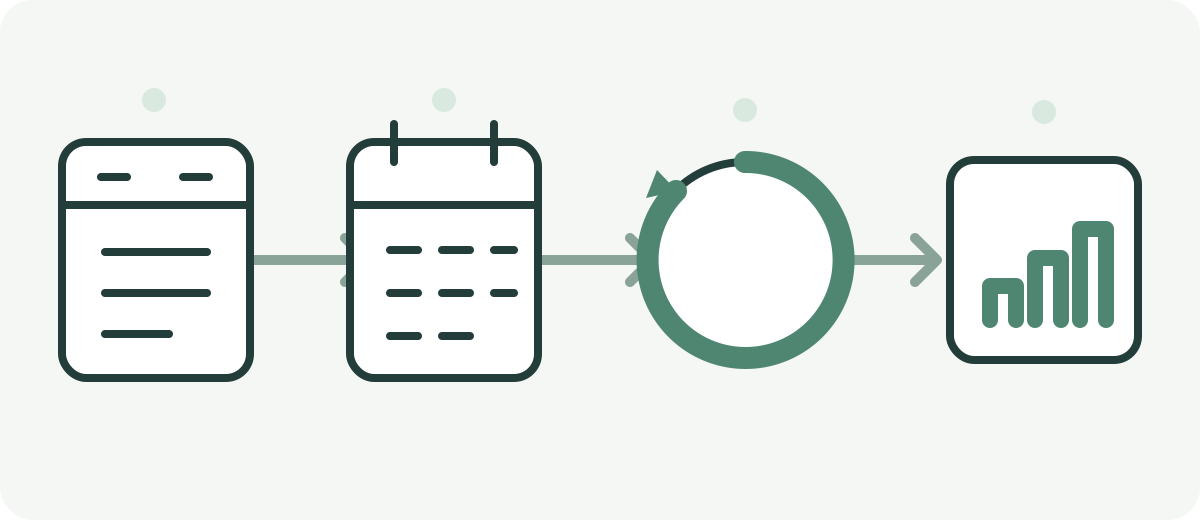
Calculate a target in five steps
- List the costs you would still need to meet during an income interruption.
- Estimate a representative month from recent records. Separate essentials from optional spending and from predictable annual costs.
- Choose a provisional number of months that reflects your risks and resources; treat three to six months as one reference, not a requirement.
- Multiply essential monthly costs by that number, then subtract savings already reserved specifically for emergencies.
- Choose a contribution you can sustain and review the plan rather than missing essential bills to meet a target.
A hypothetical calculation
Suppose a household estimates essential spending at €1,500 per month and chooses an initial three-month target for its own circumstances. The target is €1,500 × 3 = €4,500. If €600 is already assigned to emergencies, the remaining amount is €4,500 − €600 = €3,900. Saving €150 each month would take 26 months ( €3,900 ÷ €150 ); this simple example assumes no interest, withdrawals or change in costs. It is an illustration, not an average household budget or a recommendation for your situation.
How to start from zero
Start with a small first milestone that would cover one plausible urgent bill or part of a month’s essentials. Then build toward a broader target if your resources allow. The milestones are options for making progress visible, not compulsory stages. If income barely covers necessities, saving may not be possible right now; the shortfall is not a character flaw. Prioritise housing, food, utilities, health and required payments, and look into local benefits, debt advice or support services where relevant.
- Look at cash flow and recent spending; a simple budget can reveal timing issues, but it cannot create surplus income. See our guide to making a personal budget.
- If there is room, schedule a small transfer after income arrives. Keep it adjustable or pause it when essentials need the money.
- Use part of an occasional extra payment only if doing so does not leave current bills or tax obligations uncovered.
- Review fees, access rules and whether a separate account helps you avoid spending the reserve accidentally.
If your income varies
Freelancers, self-employed people, seasonal workers and people paid by commission can compare several months of essential costs with the timing and variability of income, rather than setting a target from the best month. A flexible contribution can rise in stronger periods and fall when cash flow tightens. Keep business tax, VAT, payroll or operating provisions separate from personal emergency savings: money reserved for a known tax bill is already committed, not spare personal cash. No fixed number of months applies to every irregular-income household.
Where to keep emergency savings
The central trade-off is access versus return. For money that may be needed quickly, consider a cash deposit account whose withdrawal conditions fit your needs. A separate savings account can make the reserve easier to identify; check transfer delays, card access, fees, minimum balances and whether the account can be used for routine payments. Keep enough instantly accessible for the kind of urgent costs you might face.
A remunerated account may pay interest, but rates and promotional terms can change. Check the rate after any introductory period, balance caps, direct-debit or income conditions, fees and the effective annual rate. A term deposit can restrict access until maturity or allow early cancellation only under contract terms, sometimes with an interest penalty. Do not lock away all of a reserve if the delay or cost would undermine its purpose; see the Banco de España’s guidance on accounts versus investments and early cancellation of deposits.
Investment funds, money-market funds, shares and crypto-assets are not the same as a bank deposit: their value may fall and access or settlement can take time. Cash at home may be immediately at hand but can be lost, stolen or damaged and does not earn interest. An app’s name or interface does not tell you whether the legal provider is a bank or whether its balance is a covered deposit. Check the product documents, the legal entity and the relevant protection scheme before placing the reserve.
What deposit protection means in Spain
As of 16 October 2026, Spain’s Fondo de Garantía de Depósitos (FGD) generally covers eligible cash deposits up to €100,000 per depositor and credit institution, subject to the legal rules and exclusions. The ceiling applies to the combined eligible deposits a person holds at the same legal institution, not to each account separately. For a joint account, each holder’s share follows the deposit agreement or, if it sets no shares, is divided equally. Certain qualifying temporary balances, such as some proceeds from private residential property transactions or specified one-off life-event payments, may receive wider protection for the applicable three-month period under legal conditions; check eligibility before relying on it. The FGD explains coverage and publishes which deposit types are not guaranteed.
For a branch in Spain of a bank authorised in another EU country, the home country’s deposit guarantee scheme normally covers the deposits, with the Spanish FGD helping administer payment. EU rules harmonise the general €100,000 level, but they do not make every financial product a guaranteed deposit (European Commission; FGD FAQs). Investment funds are not protected against market losses by deposit guarantee. In other countries, check the local scheme, limits, eligible products and the institution’s legal identity.
When should you use it?
Before withdrawing, ask: Was the need difficult to predict? Is it important rather than simply desirable? Is it urgent or hard to postpone? A sudden loss of income, essential repair, uncovered medical cost or replacement of equipment needed for work may meet those tests. Circumstances matter: a necessary car repair depends on whether the car is essential, and a health cost depends on the person’s situation.
A planned holiday, annual premium, gift or upgrade is usually better funded separately, even if it has arrived at an awkward time. If an expense is predictable but its amount changes, set aside what you can and keep the emergency reserve for the truly unexpected part. Using the fund for a genuine need is what it is for, not a failure.
Emergency savings and debt
There is no universal order that fits every debt and household. Keep essential bills and contractual minimum payments in view, and consider whether a modest liquid buffer would prevent a small shock from forcing more expensive borrowing. At the same time, high-cost debt can grow quickly, so the cost of interest matters. Compare the terms, urgency, available support and your ability to meet payments; avoid treating a full multi-month reserve as a prerequisite to every debt repayment. If payments are unmanageable, seek qualified, non-commercial debt advice in your jurisdiction.
After you use the fund
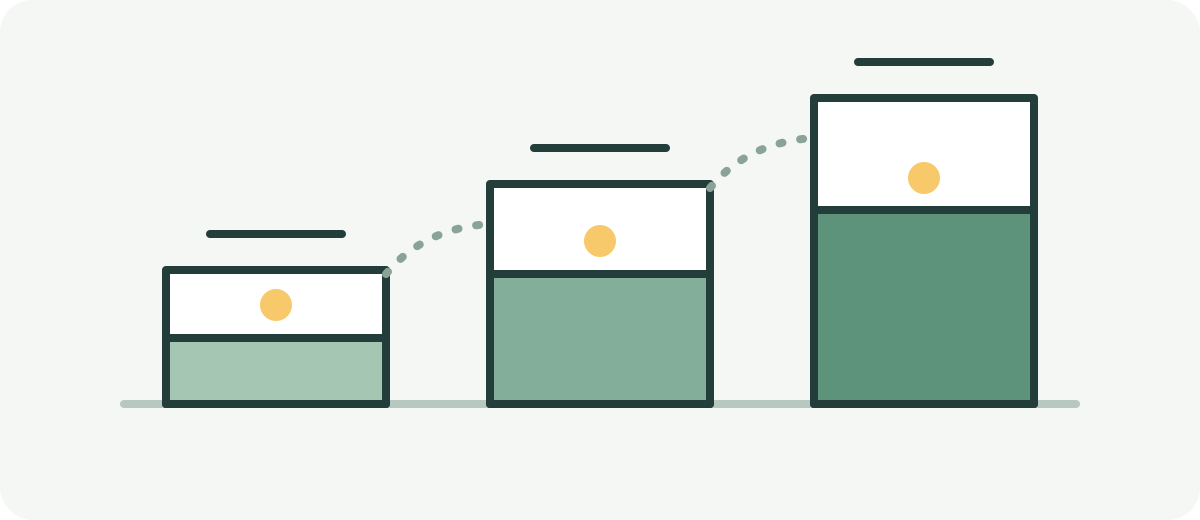
Record what happened, check the remaining balance and decide whether the original target still fits. Restart contributions at an amount that does not compromise current essentials. If the event revealed a recurring or predictable cost, create a separate provision for it so the emergency reserve is not repeatedly used for the same planned bill.
Common mistakes to avoid
- Calculating the target from gross salary instead of the costs you would need to cover.
- Treating three to six months as a rule that must be completed before other priorities.
- Keeping money needed soon in an investment whose value can fall or whose withdrawal can be delayed.
- Counting planned annual bills or business tax money as available emergency savings.
- Choosing an account for its headline rate without checking access, fees, conditions and protection.
- Setting an unachievable monthly contribution or missing essential payments to save faster.
A practical checklist
- Write down essential monthly expenses and known irregular bills separately.
- Choose a provisional target that reflects income stability, dependants and available support.
- Subtract only money already set aside for emergencies.
- Pick an accessible place and verify the provider, fees, transfer time and deposit protection.
- Set a sustainable contribution if possible, and review the target after major life or income changes.
- Agree with yourself what counts as an emergency and rebuild the reserve after a withdrawal.
Frequently asked questions
- How much should I keep? Start with a target based on essential costs and your circumstances. Three to six months is a common reference, not a universal requirement.
- Should I calculate it from salary or expenses? Essential expenses are usually a more useful base because the reserve is meant to cover costs, not replace gross pay.
- Are three months enough? It may be a workable first target for some people and insufficient for others. Consider income, dependants, health, employment and other resources.
- What if I cannot save? Do not skip essentials or blame yourself. You can revisit cash flow, use local support and start later or with a very small amount if circumstances improve.
- Can I use a remunerated account? Possibly, if its access and conditions suit you. Compare changing rates, fees, limits and deposit protection.
- Should I invest the fund? Money needed for emergencies is usually kept accessible; investments can lose value and may not be available immediately.
- What if I am self-employed? Consider income volatility and keep known business tax or operating funds separate from personal emergency savings.
- How often should I review it? After a material change in household costs, income, dependants, debt or access to support, and periodically when you update your budget.
A practical first step is to estimate essential monthly costs, choose a provisional target that fits your situation and keep the reserve somewhere you can access under its actual terms. Start with what is feasible, use it when a real need arises and rebuild it gradually. A fund can add flexibility, but it cannot guarantee complete financial security.
Related guides

Money
Credit Card vs. Debit Card: Differences and Which to Choose
Understand how credit and debit cards use money, when interest or fees may apply, and what to check before choosing.
11 min read

Money
How to Pay Off Debt: Snowball vs. Avalanche Method
Compare the debt snowball and avalanche methods with a reproducible example, and learn why priorities, minimums and contract terms matter.
9 min read

Money
ETFs vs. Index Funds: Differences, Costs and How to Compare Them
Indexing and ETF structure are not opposites. This guide compares index-tracking ETFs with traditional unlisted index funds so you can assess trading, costs, tracking and tax in your jurisdiction.
16 min read