
How to save money every month: realistic methods and common mistakes
Explore realistic ways to review monthly expenses, compare bills, curb impulse buys and build sustainable saving habits without universal promises.
By TopicWeekPublished 9 min read

In this article
To save money each month, find expenses you can change without risking essential needs. Review a representative period, choose one or two realistic adjustments, then check whether they actually free up money. There is no savings percentage or list of cuts that fits every household. If income does not cover essentials, small-spending tips cannot solve the underlying shortfall.
Where to start
Compare recent bank and card statements with receipts or notes. The U.S. CFPB suggests tracking expenses for at least two weeks or a month to see patterns; that is an option, not a required audit. If you already use a personal budget, use it to spot changeable costs rather than rebuilding the full plan here.
Sort expenses by purpose
Separate essential obligations, flexible necessities, discretionary purchases and known periodic bills. Frequency and purpose differ: food can be essential but variable; rent is recurring; a subscription may be recurring but optional; an annual premium is predictable although not monthly. Fixed does not mean impossible to change, but contracts can include notice periods, price changes or exit costs.
Known but non-monthly bills—such as annual insurance, school costs or vehicle maintenance—can distort a single-month review. List them separately and, if useful, set aside a realistic share over the months before they are due. This is cash-flow planning, not an expense reduction, and the provider may still require payment in full on its due date.
- Essential: housing, basic utilities, food, health, necessary transport and required care or debt payments.
- Flexible or negotiable: plans, tariffs, insurance cover or service levels that can be reviewed without losing essential protection.
- Discretionary: optional services and purchases you may reduce or replace if that fits your priorities.
Review subscriptions and recurring charges
Scan statements for monthly and annual renewals. Note each price, renewal date, use, contract length and cancellation route. MoneyHelper advises checking notice periods and possible early-exit penalties. Contact the provider and follow its process: stopping a card payment or direct debit may not end the contract. Keep services you value; cancellation is not automatically the best choice.
Plan food shopping without compromising nutrition
A short meal plan and shopping list can connect purchases with meals you will prepare. Check cupboards first, compare unit prices where pack sizes differ and choose amounts you will use. An offer helps only when the product suits your needs and the total cost is worthwhile. Buying more can waste money or food if it goes unused; do not compromise nutrition or food safety to reduce the bill.
- Plan a few meals around food already at home.
- Compare equivalent items by unit price, quality and usable quantity.
- Avoid perishable quantities you cannot store or use safely.
A grocery plan can stay flexible. Build meals around food that needs using soon, keep a short list of versatile ingredients and check whether a larger pack can be stored safely or shared. Compare price per unit only for products you would actually use; a lower unit price does not help if much is discarded. Adapt meals to allergies, health needs, culture and available cooking facilities rather than following a rigid low-cost menu.
Review household bills and contracts
For electricity, gas, water, internet, phone or insurance, compare the service you need with the full contract: recurring and one-off charges, introductory periods, price changes, duration, add-ons and exit terms. In Spain, the CNMC offers an electricity and gas comparison tool. Check current information and your usage; a switch is not automatically cheaper. Do not attempt unsafe work on gas or electrical installations.
Before changing a service, compare like with like: the same data allowance, coverage, reliability, insurance protection or usage where relevant. Write down the current recurring price, any one-off charge, the end date of an introductory offer and the cost after it ends. A lower headline price can be offset by extras or a shorter promotion. If terms are unclear, ask the provider for written details before agreeing.
Choose transport changes that fit your life
List trips and costs such as fares, fuel, parking, maintenance and occasional taxi rides. Public transport, walking, cycling or sharing a journey may suit some routes, but access, disability, safety, care duties, weather and work schedules matter. If you own a car, distinguish the added cost of one trip from total ownership costs; fixed vehicle expenses may not be avoidable at once.
Pause before non-urgent purchases
A list, personal spending limit or voluntary waiting period—perhaps a day or two—can give you time to reconsider an unplanned purchase. These are optional personal techniques, not proven guarantees. Compare total price, expected use and quality. A discount is not a saving if it encourages a purchase you would not otherwise make.
- Turn off promotional alerts or remove saved payment details if that helps you pause.
- Check whether an item duplicates something you own or creates a recurring cost.
Save without cutting every pleasure
A sustainable plan keeps spending that matters to you and looks first at low-value costs, avoidable duplication or a better-fitting alternative. The aim is not to eliminate every small pleasure. If a change makes daily life harder or costs more in time, health or access, reconsider it. Ask both what could be reduced and what you want your money to support.
Automate only what cash flow can support
A scheduled transfer after payday or a separate savings space can help you follow a chosen goal. The Banco de España describes periodic transfers, fixed-percentage rules and round-ups as possible tools; the right setting depends on your own account and terms. Choose a date and amount around bill due dates and a realistic balance. A round-up moves your own money, not a discount. Pause automation if it risks an overdraft, a missed bill or a fee.
Popular saving methods are tools, not rules
The 50/30/20 rule is a popular split: 50% of take-home income for needs, 30% for wants and 20% for saving or debt goals; envelope methods assign limits to categories. Fixed contributions can be predictable, while a percentage can move with variable income. Challenges may make a goal engaging. These are organizational choices, not universally suitable budgets or proven superior methods. Housing costs, dependants, obligations and income may make any preset split unrealistic.
- Choose a method you can maintain and revise when circumstances change.
- Do not let a target cause overdrafts, missed bills or cuts to essentials.
Estimate what you could save
Use your own amounts rather than a universal percentage. Compare costs over the same period, subtract any new fees or one-off expenses and do not count one reduction twice. If a bill varies, compare several representative statements. Money you genuinely retain can support planned goals or an emergency fund; spending less on paper is not saving if the money is used elsewhere.
To measure a change, record a simple baseline and compare it with the next bill or a similar period. Note what changed, when it began, any set-up or exit cost and whether usage stayed comparable. For seasonal bills, one month may be misleading; compare equivalent seasons or use several statements. This is a personal check, not an audited financial calculation, but it helps distinguish a real reduction from a changed billing date or temporary offer.
A hypothetical monthly example
- €12: stop paying for an unused subscription after checking the terms.
- €18: move to a comparable service if the total price and terms are genuinely better.
- €20: reduce unused food and unplanned shopping without compromising nutrition.
In this hypothetical illustration, €12 + €18 + €20 = €50 for one month. If all three independent changes continue for twelve months, €50 × 12 = €600. This is not an average, promise or forecast. It assumes the changes persist and excludes one-off fees, penalties, price changes and interest. Count each expense once and check actual bills to confirm the money was retained.
Saving with variable income
A fixed transfer may not fit freelancers, seasonal workers or people paid by commission. First account for essential bills, relevant tax or business provisions and payment dates. You could set aside a small amount only in stronger months or use a share of money actually received, then review it as cash arrives. Do not treat unpaid invoices as income in hand or use money reserved for foreseeable taxes as household savings.
If nothing is left after essential costs
Common mistakes
- Setting an impossible target or treating a rule of thumb as a test of character.
- Ignoring annual bills, contract terms, charges or cancellation penalties.
- Buying more because of a sale or counting the same reduction twice.
- Cutting essential food, health, safety or care; automating without checking cash flow; or relying on credit for ordinary bills.
- Confusing spending less with investing or assuming a change guarantees savings.
A practical 30-day review
- Week 1: observe spending and collect statements, receipts or notes. Look for patterns, without judging every purchase.
- Week 2: review subscriptions, renewals and contracts; check full terms before changing anything.
- Week 3: test one or two changes that fit your circumstances and protect essentials.
- Week 4: compare actual bills, subtract one-off costs and keep, adjust or reverse each change. The four weeks are an organizing suggestion, not a deadline for results.
Monthly checklist
- Check recurring and annual charges, including renewal dates.
- Choose a change with clear terms that does not risk essentials.
- Check the next statement to confirm the real effect.
- Keep, change or reverse the measure based on cost, usefulness and quality of life.
Frequently asked questions
- How can I save on a low salary? Protect essential costs first and look for safe changes. If no surplus remains, check local support rather than blaming yourself.
- What share of income should I save? There is no universal amount. Compare take-home income with essential expenses and choose only what is sustainable.
- How do I save on groceries? Plan meals, check what you have, compare unit prices and buy usable quantities without compromising nutrition or safety.
- Does 50/30/20 work for everyone? No. It is one popular example; housing costs, income, dependants and obligations can make it unsuitable.
- How do I know I really saved? Compare bills over the same period, include fees and check that costs were not simply shifted elsewhere.
- How do I maintain the habit? Schedule a simple review, keep changes that are useful and sustainable, and treat difficult months as a reason to adjust—not as failure.
- How can I reduce fixed bills? Check the contract, usage, total price and exit conditions before renewal; do not stop a payment without resolving the contract.
- Should I save a fixed amount or a percentage? Choose what fits actual income and cash flow; either can be paused or adjusted.
- How can I avoid impulse purchases? A list, limit or voluntary pause can help you reconsider, but none guarantees a result.
- Can I save without giving up everything? Keep spending that matters and test reductions in low-value or duplicated costs.
- How often should I review spending? A monthly check can help you compare bills and habits; adjust sooner after a major change.
- Do I have to save every month? No. If essentials use all available income, it may not be possible; revisit when circumstances or support change.
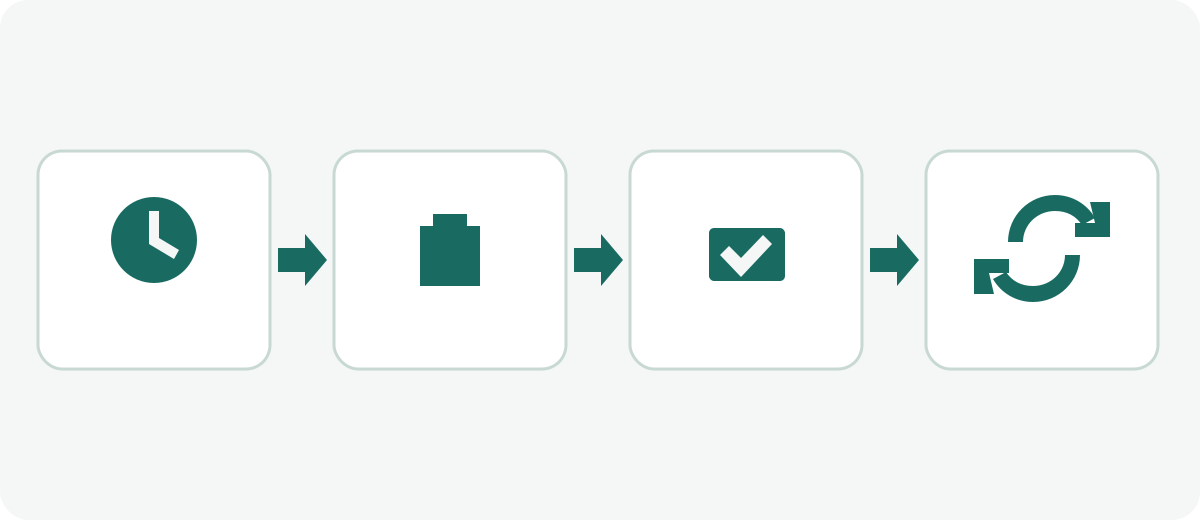
Repeat a simple cycle: identify an expense, choose a change that protects what matters, try it, check the next bills and adjust. If a measure does not fit, reversing it is useful information. The goal is more deliberate spending and retaining any real surplus—not promising that every household can save the same amount.
Related guides

Money
Credit Card vs. Debit Card: Differences and Which to Choose
Understand how credit and debit cards use money, when interest or fees may apply, and what to check before choosing.
11 min read

Money
How to Pay Off Debt: Snowball vs. Avalanche Method
Compare the debt snowball and avalanche methods with a reproducible example, and learn why priorities, minimums and contract terms matter.
9 min read

Money
ETFs vs. Index Funds: Differences, Costs and How to Compare Them
Indexing and ETF structure are not opposites. This guide compares index-tracking ETFs with traditional unlisted index funds so you can assess trading, costs, tracking and tax in your jurisdiction.
16 min read